

Overview
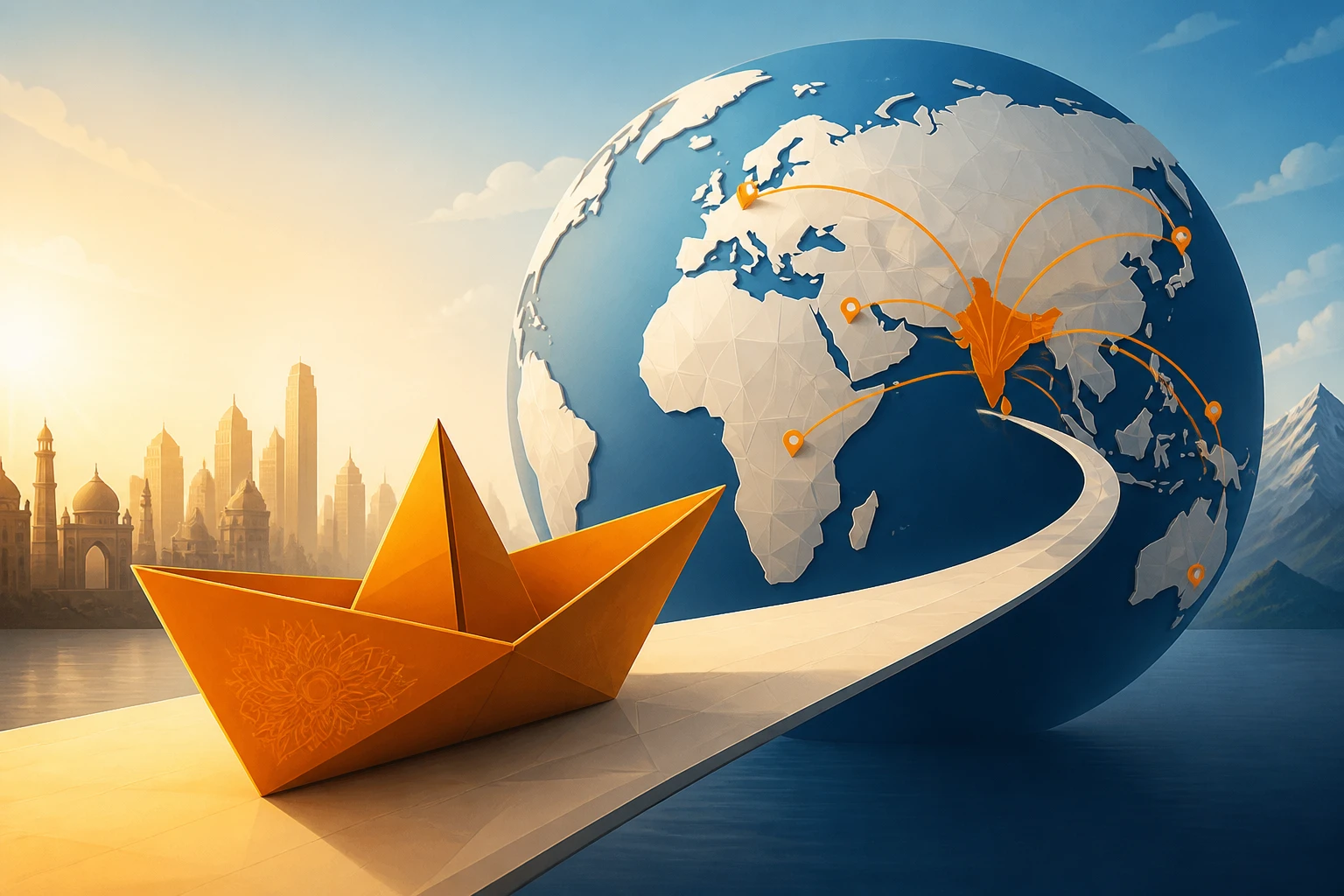
Picture this: You're scrolling through Instagram and see Mamaearth skincare products being sold in Dubai, or boAt headphones trending in Singapore. Five years ago, this would've seemed impossible. Indian brands were content selling domestically, leaving global ambitions to established giants like Tata or Reliance. But something fundamental has shifted. Today's Indian D2C (Direct-to-Consumer) brands aren't just thinking local—they're going global from day one. Nykaa is expanding to the Middle East, Sugar Cosmetics is eyeing Southeast Asia, and dozens of other homegrown brands are making international moves. This isn't just a trend; it's a complete reimagining of how Indian businesses view their potential market size and growth trajectory.
The Problem
Traditional Indian businesses followed a predictable playbook: dominate the domestic market first, then maybe consider international expansion decades later. But today's D2C brands are flipping this script entirely. The catalyst? India's massive digital transformation during the pandemic created a generation of digitally-savvy entrepreneurs who think globally from the start. However, this shift raises critical questions about sustainability and strategy. Are these brands genuinely ready for global competition, or are they rushing into complex international markets without adequate preparation? The domestic Indian market, worth over $4 trillion, still offers immense untapped potential. Yet brands like The Moms Co and Plum Goodness are simultaneously launching in multiple countries, suggesting something deeper is driving this global confidence.
Analysis
Three fundamental factors explain this unprecedented global push. First, the digital-first advantage: Unlike traditional businesses that required physical infrastructure, D2C brands built on e-commerce platforms can scale internationally with relatively minimal upfront investment. Think of it like building with Lego blocks—once you have the basic structure (supply chain, digital marketing, product development), adding new markets becomes more about replication than recreation.
Second, the funding boom: Indian startups raised over $35 billion in 2021, with D2C brands attracting significant investor interest. This capital infusion provides the runway necessary for international expansion, something previous generations of Indian entrepreneurs rarely had access to.
Third, market saturation concerns: With over 600 D2C brands competing in categories like beauty and personal care, differentiation in India is becoming increasingly expensive. International markets offer less saturated opportunities, especially in regions where "Made in India" products are gaining credibility.
The economic implications are significant. Successful global expansion could position Indian D2C brands as serious competitors to international giants, potentially capturing a share of the global consumer goods market worth $15 trillion. However, the business risks are equally substantial—international expansion requires understanding diverse consumer preferences, regulatory frameworks, and supply chain complexities.
Real-World Examples
Mamaearth's international strategy exemplifies this new approach. The brand launched in the UAE and Saudi Arabia within just six years of its founding, leveraging its "toxin-free" positioning that resonates globally. Their revenue jumped from ₹461 crores in 2021 to over ₹1,200 crores in 2023, with international sales contributing significantly.
boAt's expansion into Southeast Asia demonstrates another model. They identified markets with growing young populations and rising disposable incomes—similar to their core Indian demographic. By adapting their affordable premium positioning, they've gained traction in countries where international audio brands were pricing out middle-income consumers.
The Moms Co took a different route, entering markets like UAE and Australia by partnering with local retailers and leveraging the growing demand for natural baby care products. Their international revenue now represents approximately 15% of total sales.
Industry experts point to changing investor expectations as another driver. "Global ambition is now a prerequisite for Series B and beyond funding rounds," notes a venture capital partner who has invested in multiple D2C brands.
The Challenge
However, international expansion isn't simply about replicating domestic success. Each market presents unique regulatory hurdles—from product certification requirements to labeling standards that can take months to navigate. Supply chain complexities multiply when crossing borders, with currency fluctuations, customs procedures, and local distribution partnerships adding layers of operational difficulty. Many brands underestimate the marketing investment required to build brand awareness in competitive international markets where they lack the digital marketing cost advantages they enjoyed in India during the early 2010s.
Future Implications
This global expansion wave could fundamentally reshape how the world perceives Indian consumer brands. Success stories might inspire a broader "Brand India" renaissance, positioning the country as a source of innovative, high-quality consumer products rather than just a manufacturing hub. The implications extend beyond individual companies—successful Indian D2C brands could pave the way for more complex international business relationships and partnerships.
For working professionals, this trend signals broader shifts in career opportunities, with international roles becoming more common at Indian startups. The success of these global expansions might also influence policy decisions around export promotion and startup ecosystem development.
However, the risk of premature international expansion could lead to capital inefficiency and brand dilution if not managed carefully.
Looking Ahead
The real question isn't whether Indian brands should go global, but whether they're building sustainable competitive advantages that will withstand international competition. Are we witnessing the birth of India's first generation of truly global consumer brands, or an overconfident expansion phase that will require significant course corrections? The answer will likely determine the next chapter of India's entrepreneurial story.