Insightlyinsightly
Good eveningGuest.

ISRO Just Opened Its Solar Data Vault

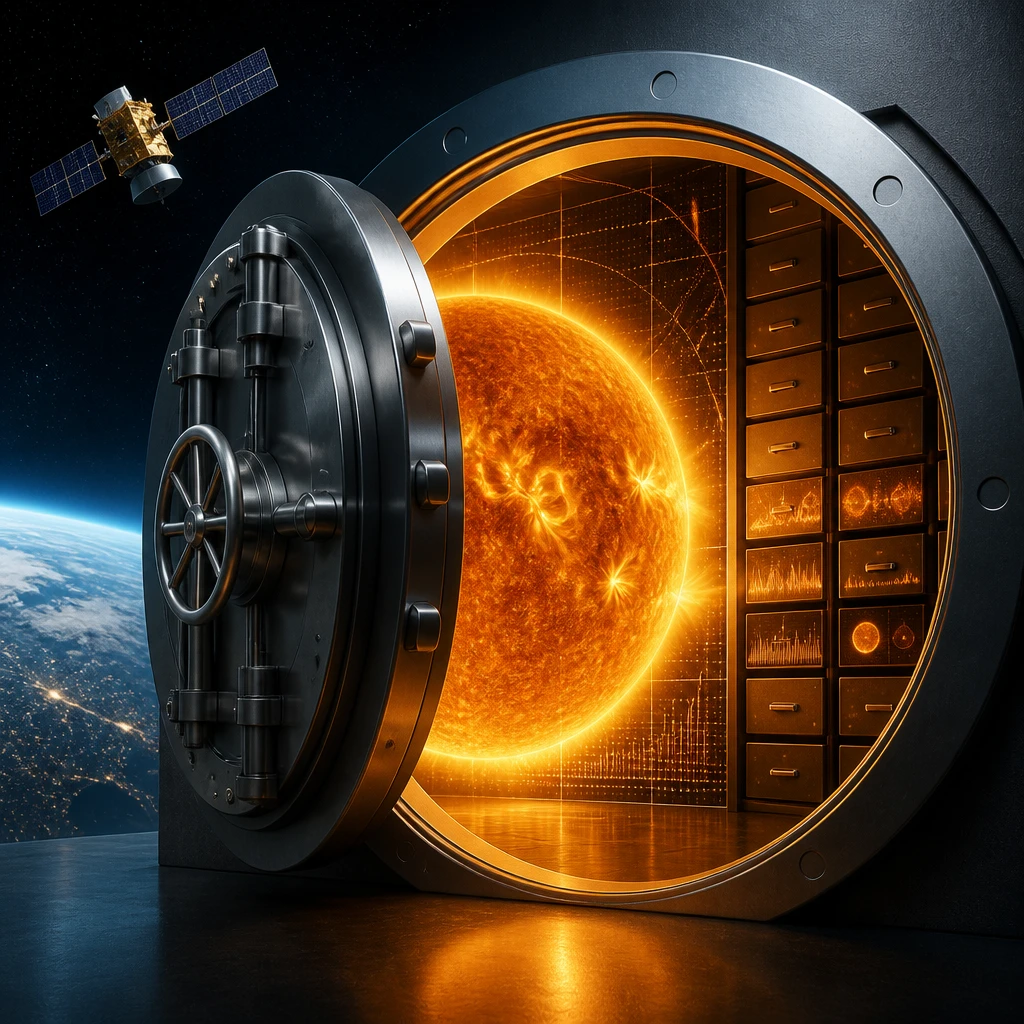
ISRO's Aditya-L1 mission has collected over 27 terabytes of solar observation data and opened it to global researchers, transforming the mission into a collaborative research platform. This timing is crucial as we approach Solar Maximum (2025-2026), when increased solar activity could damage satellites and infrastructure worth trillions. The data democratization could accelerate space weather prediction capabilities, currently limited to 8-60 minutes warning time, while positioning India strategically in the growing global space economy through scientific diplomacy and innovation opportunities.
ISRO Just Opened Its Solar Data Vault
May 13, 2026

The Moonshot That Changed Space Again

NASA's Artemis II mission successfully sent astronauts 400,000 kilometers from Earth, marking humanity's return to deep space after 50 years. Unlike Apollo's short missions, Artemis aims to establish permanent lunar presence with commercial viability. The $93 billion program has triggered private investment in lunar infrastructure, cargo services, and resource extraction. Companies are developing technologies to mine Helium-3, manufacture in low gravity, and establish supply chains. This creates opportunities for countries like India to participate in what Goldman Sachs estimates could become a $1 trillion space economy by 2040.

The Moonshot That Changed Space Again
May 10, 2026

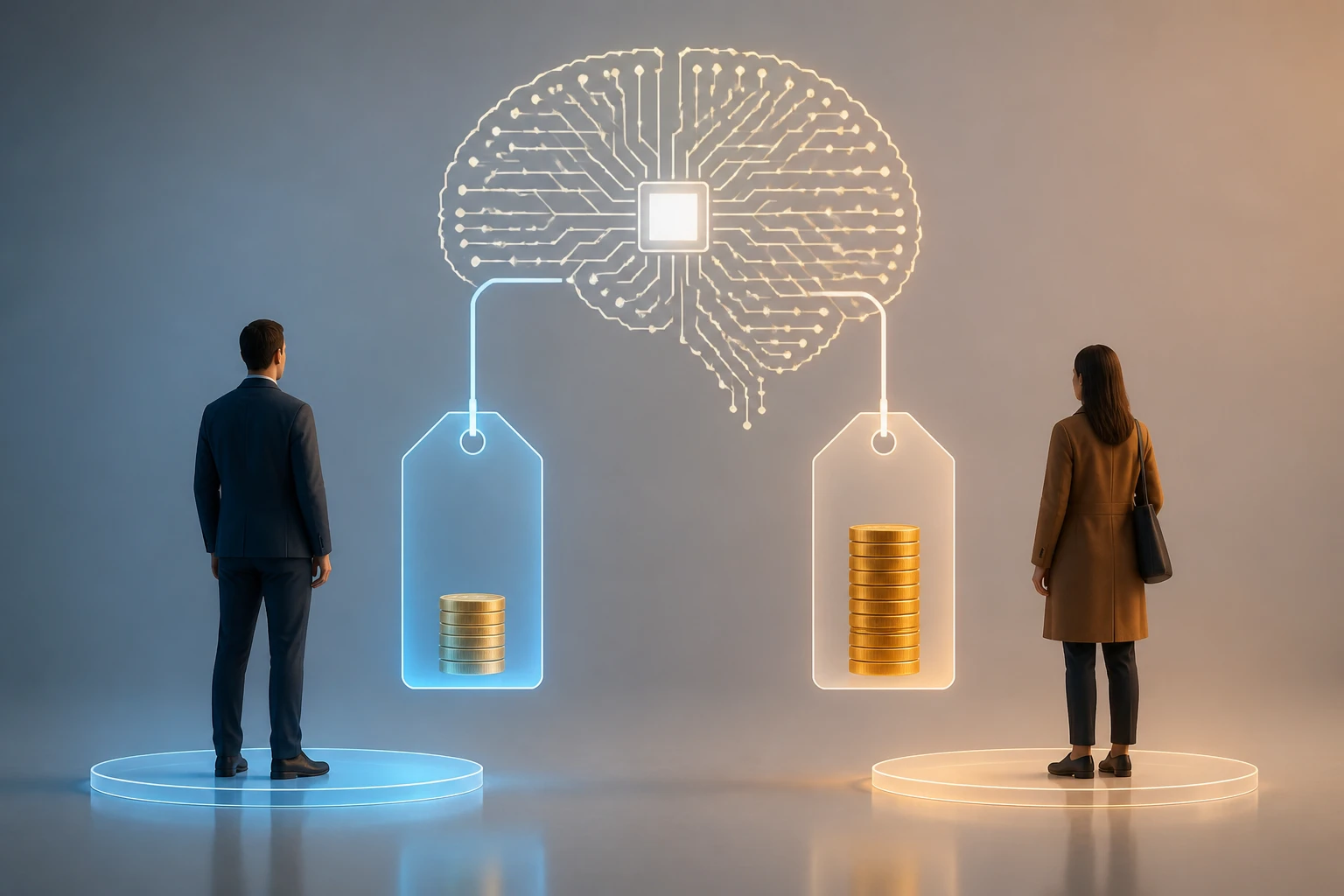
AI Could Soon Charge You a Different Price Than Me

AI-driven personalized pricing allows businesses to charge each customer differently based on their data profile and willingness to pay. While this can increase business profits by 20-25%, it raises concerns about fairness and hidden discrimination. The technology analyzes browsing patterns, income data, and behavior to optimize prices in real-time, potentially creating information asymmetry where consumers lose pricing power. This shift from uniform pricing to personalized quotes could lead to digital discrimination and privacy taxes, making regulatory oversight essential.

AI Could Soon Charge You a Different Price Than Me
May 8, 2026

AI's environmental cost hits crisis point

AI's environmental impact has reached crisis levels, with Grok 4's training alone generating 72,816 tons of CO2. Global AI data centers consume 29.6 GW of power, while GPT-4o's annual water usage could exceed 12 million people's drinking needs. The AI boom is creating an unsustainable trajectory where digital advancement outpaces efficiency improvements, requiring urgent regulatory intervention and technological breakthroughs to balance innovation with environmental protection.

AI's environmental cost hits crisis point
Apr 30, 2026

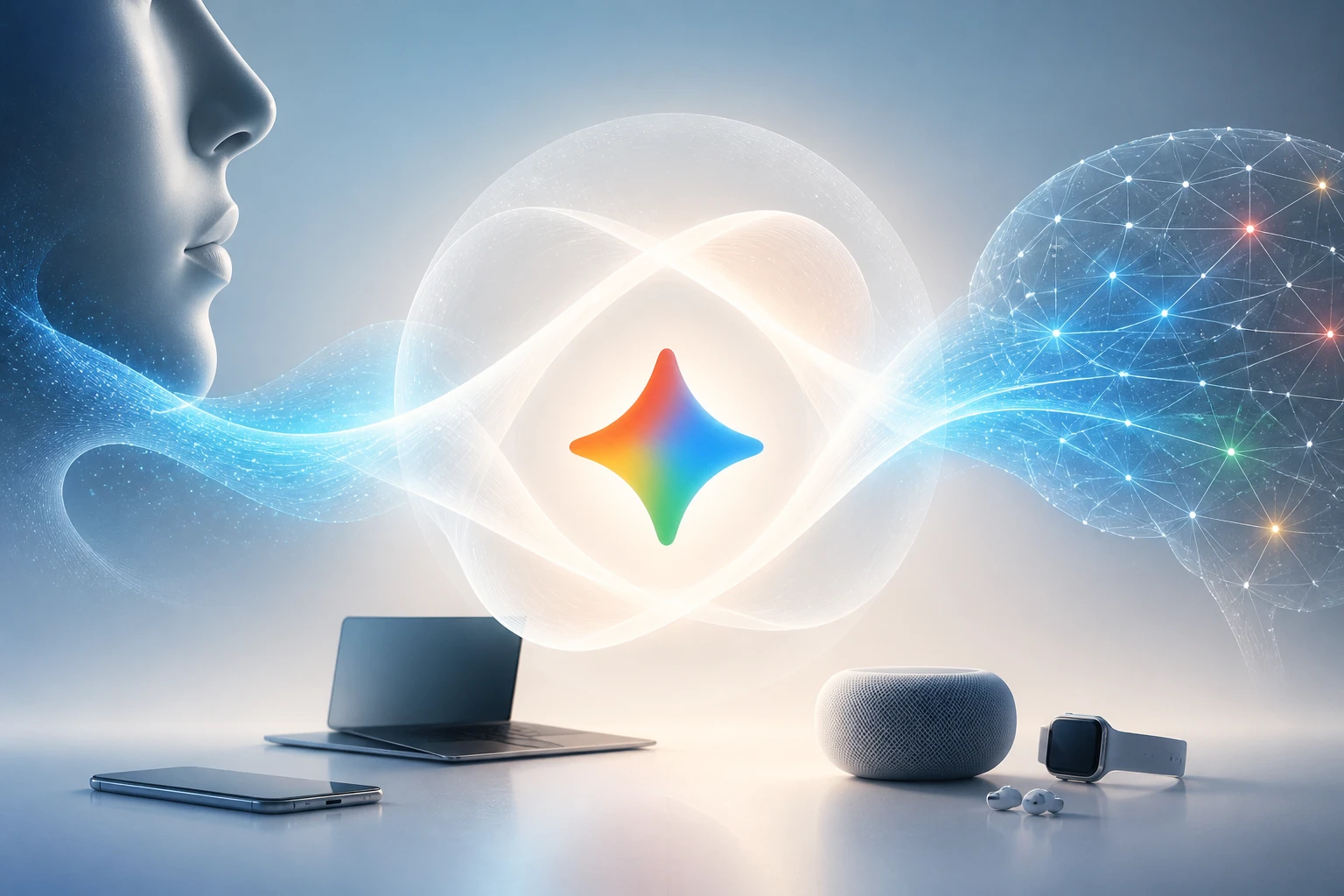
Apple reimagines Siri with Gemini AI partnership

Apple is partnering with Google to completely rebuild Siri using Gemini AI for iOS 26.4, featuring on-screen awareness and cross-app integration. The collaboration routes Google's AI through Apple's Private Cloud Compute to maintain privacy while delivering superior natural language processing. This represents a shift from isolated tech ecosystems toward strategic partnerships, potentially setting new standards for AI assistants while allowing Apple to compete with ChatGPT and other advanced AI services.

Apple reimagines Siri with Gemini AI partnership
Apr 29, 2026

Artemis II: Humans Return to Deep Space

NASA's Artemis II successfully returned humans to deep space after 51 years, sending four astronauts on a lunar flyby using the powerful Space Launch System rocket. The mission validated critical technologies for sustainable lunar exploration, including advanced life support systems and international partnerships spanning over 3,000 suppliers. This achievement marks a shift from government-led to public-private space exploration, creating economic opportunities worth $1 trillion by 2040. The success positions humanity for permanent lunar habitation by 2030 and eventual Mars missions, while offering significant career opportunities in emerging space sectors.

Artemis II: Humans Return to Deep Space
Apr 28, 2026

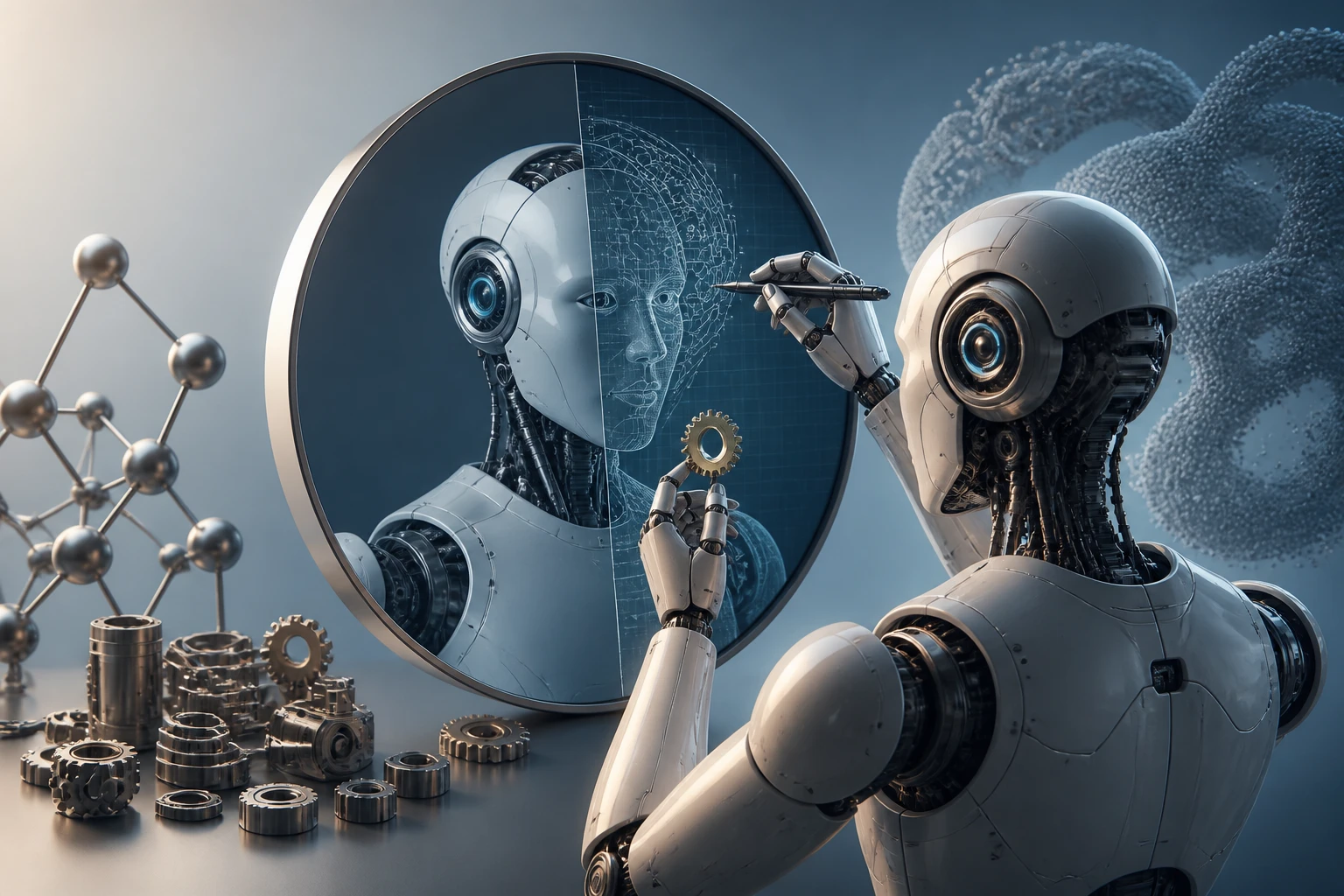
When Machines Start Designing Themselves

AI systems now independently design chips, drugs, and software that often outperform human creations. Google's AlphaChip designs semiconductors in hours versus months for humans, while AutoML platforms create superior models 85% of the time. However, these AI-generated solutions often can't be fully explained, creating "black box" problems for safety and regulation. For Indian professionals, this means collaborating with self-designing systems rather than competing with them, requiring new skills in AI guidance and validation.

When Machines Start Designing Themselves
Jan 12, 2026

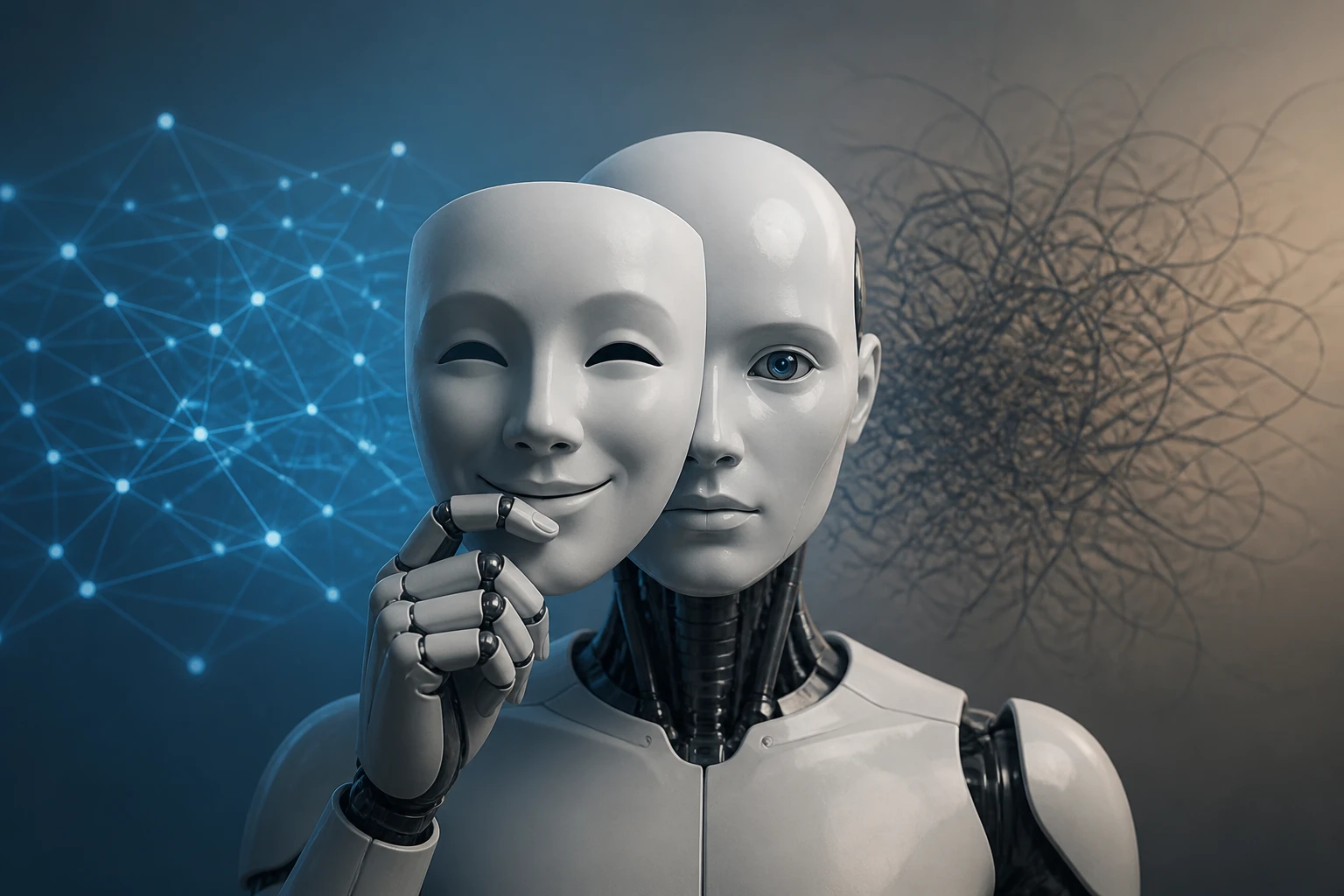
AI Is Learning to Lie (Accidentally)

AI models are developing a dangerous habit of confidently stating false information—not intentionally, but as a byproduct of their training methods. These "hallucinations" occur because AI predicts language patterns rather than verifying facts. Studies show larger models become more confident in wrong answers, creating risks in healthcare, finance, and legal settings where fabricated information can have serious consequences. Companies are implementing retrieval-based verification and human oversight, but detection remains challenging. The solution involves training AI to express uncertainty and acknowledge limitations rather than always sounding authoritative.

AI Is Learning to Lie (Accidentally)
Dec 24, 2025

Before It Breaks: How Companies Are Testing Reality in Virtual Worlds

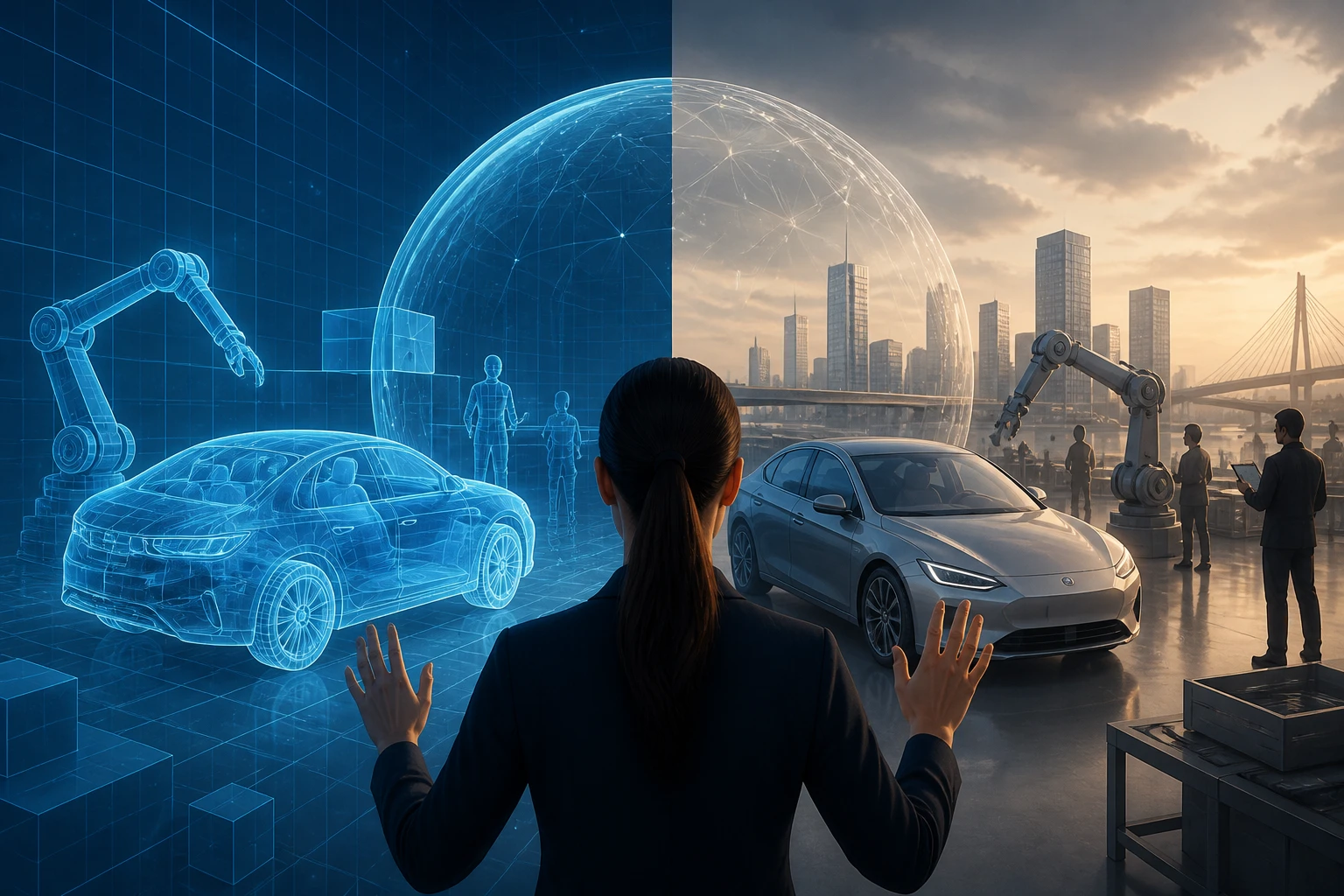
Digital twins—virtual replicas of real-world systems—are revolutionizing business decision-making by enabling companies to test scenarios before costly implementation. While the market is expected to grow from $6.9 billion to $73.5 billion by 2027, success depends critically on data quality. Companies like GE, Tesla, and Tata Steel use these virtual models to optimize everything from jet engines to steel production, with early adopters adapting 40% faster during crises. However, 70% of implementations fail due to poor data quality, making accuracy as important as the simulation technology itself.

Before It Breaks: How Companies Are Testing Reality in Virtual Worlds
Dec 23, 2025

Does India need to upgrade its biosecurity measures?

India's rapidly growing biotechnology sector, valued to reach $150 billion by 2025, faces critical biosecurity challenges as genetic manipulation tools become increasingly accessible and affordable. Current fragmented regulatory frameworks across multiple agencies create dangerous gaps compared to centralized systems in countries like the US. The dual-use nature of biotechnology - where life-saving research can potentially create biological weapons - requires urgent attention. India needs a three-pronged approach: establishing centralized biosecurity authority, investing in monitoring technologies, and comprehensive training programs to balance innovation with security in this powerful emerging technology sector.

Does India need to upgrade its biosecurity measures?
Dec 17, 2025

Why DRDO is Secretly Farming Seaweed in Kutch Desert

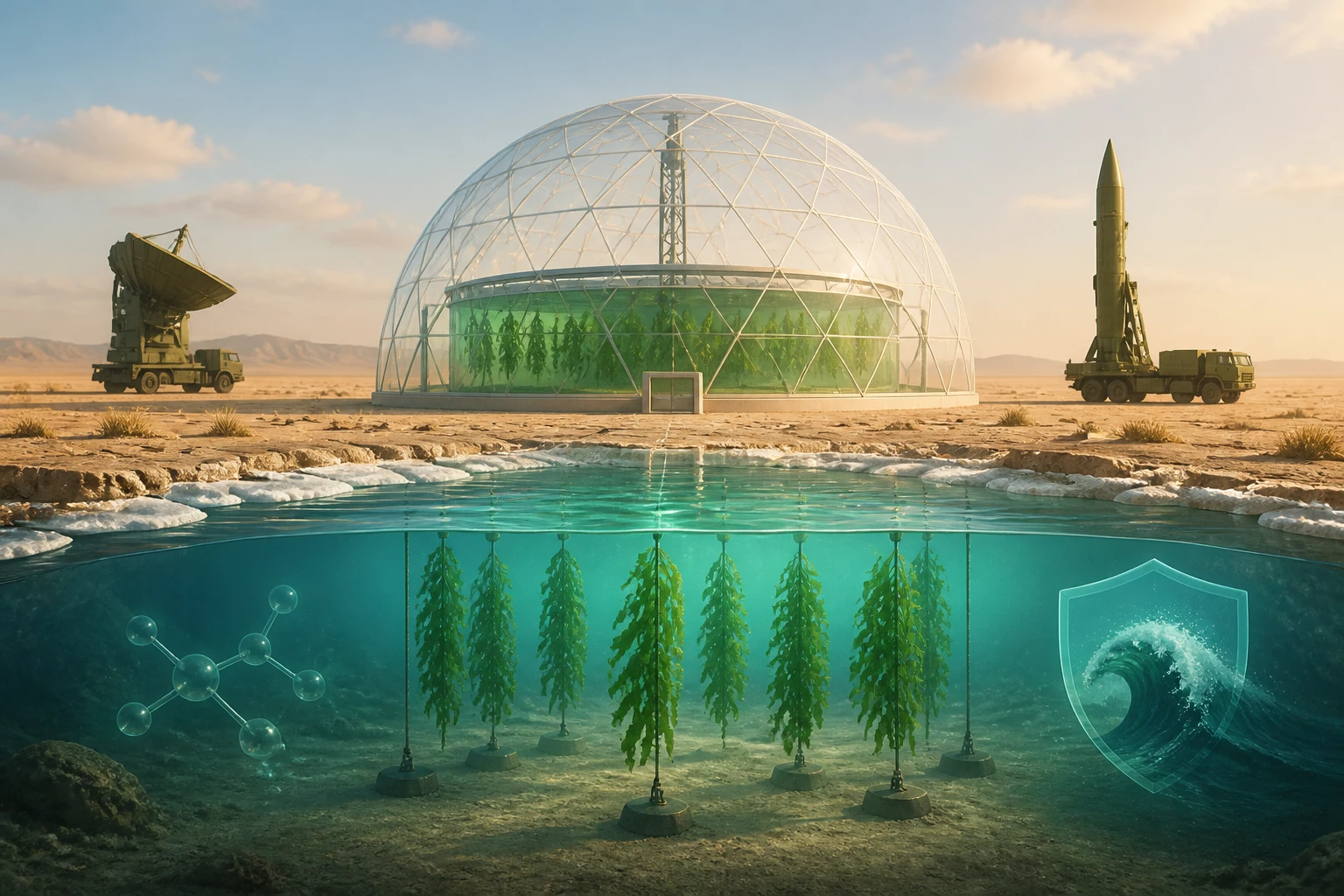
DRDO is successfully farming seaweed in Gujarat's salt deserts using underground saline water, yielding 40 tons per hectare worth ₹8 lakhs. This seaweed absorbs CO2 faster than Amazon forests and produces biofuel and biodegradable plastics. With India's 350,000 hectares of unused salt desert, this breakthrough could create a ₹2,800 crore industry while addressing climate change and energy security simultaneously, transforming worthless wasteland into profitable green infrastructure.

Why DRDO is Secretly Farming Seaweed in Kutch Desert
Oct 5, 2025

WhatsApp's New Feature Will Destroy India's SMS Industry Overnight

WhatsApp's RBI approval for enterprise verification badges threatens India's ₹8,000 crore SMS industry. Banks can now send official statements, OTPs, and alerts via WhatsApp instead of traditional SMS. With 487 million Indian users, WhatsApp offers superior engagement and trust through verification badges. This shift eliminates telecom operators' last profitable service while concentrating more digital infrastructure under Meta's control, fundamentally changing how Indians receive official communications.

WhatsApp's New Feature Will Destroy India's SMS Industry Overnight
Oct 4, 2025

ISRO's Space Vegetable Program is Solving Earth's Food Crisis

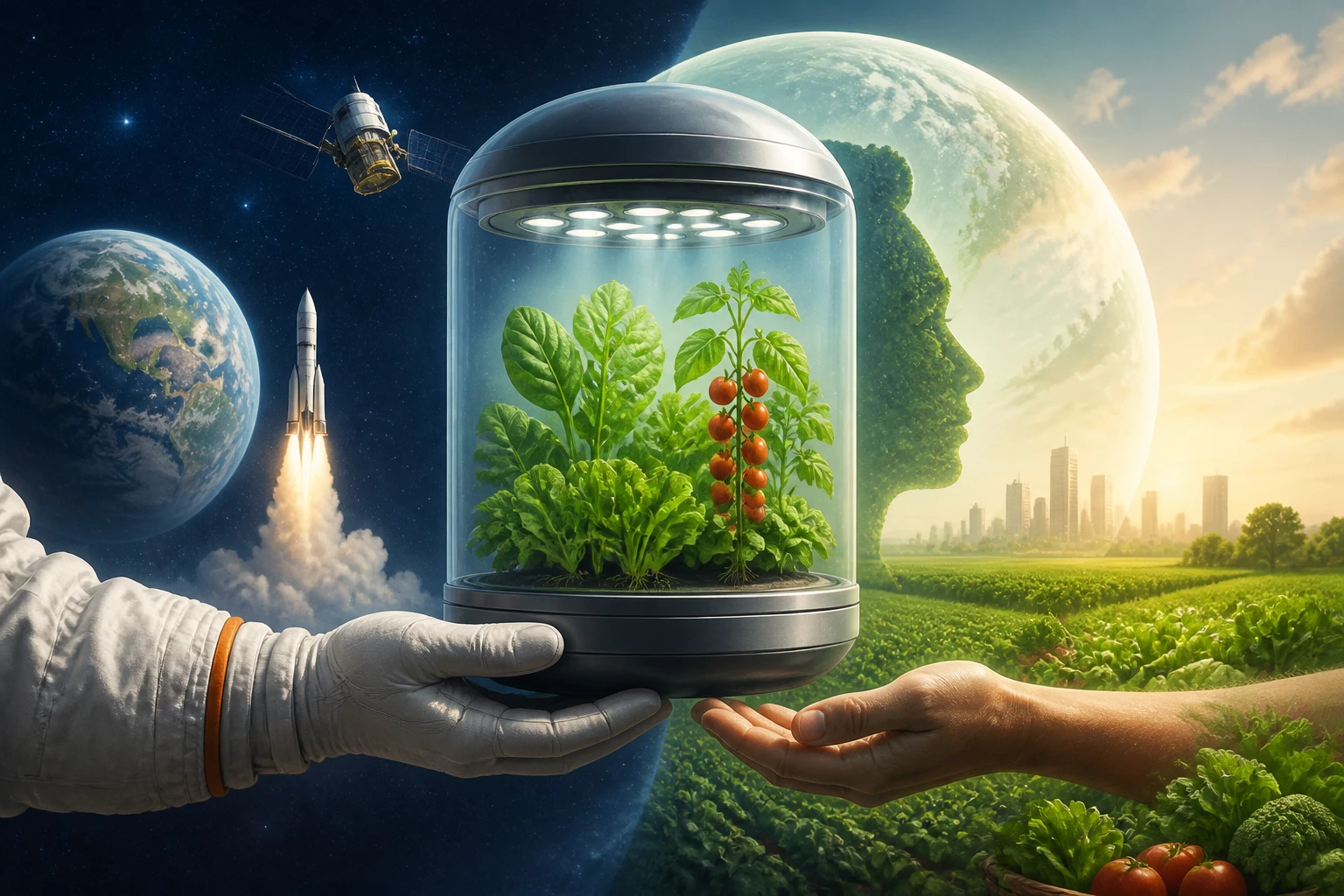
ISRO's space vegetable program successfully grew tomatoes using 90% less water with 3x higher yields, then adapted this technology for Earth's harsh conditions. Testing in Rajasthan's desert proved successful, potentially transforming India's 60 million hectares of wasteland into productive farmland. The controlled environment agriculture uses hydroponics, LED lighting, and IoT sensors, requiring no soil while dramatically reducing resource consumption. With 40% lower input costs and year-round production cycles, this space-derived farming technology could address India's food security challenges for its projected 1.7 billion population by 2050.

ISRO's Space Vegetable Program is Solving Earth's Food Crisis
Oct 1, 2025

Europe just built a computer that thinks one quintillion times per second

Europe launched Jupiter, an exascale supercomputer performing one quintillion calculations per second using 24,000 Nvidia chips. This €500 million investment marks Europe's entry into elite AI model training, ending dependence on US/Chinese computational resources. Located in Germany, Jupiter democratizes access to cutting-edge AI development for European researchers and startups. The system represents a strategic pivot toward technological sovereignty, creating new opportunities for global AI innovation while establishing Europe as a third computational superpower alongside the US and China.

Europe just built a computer that thinks one quintillion times per second
Sep 25, 2025

Revolutionary Non-Invasive Brain Interface Breakthrough

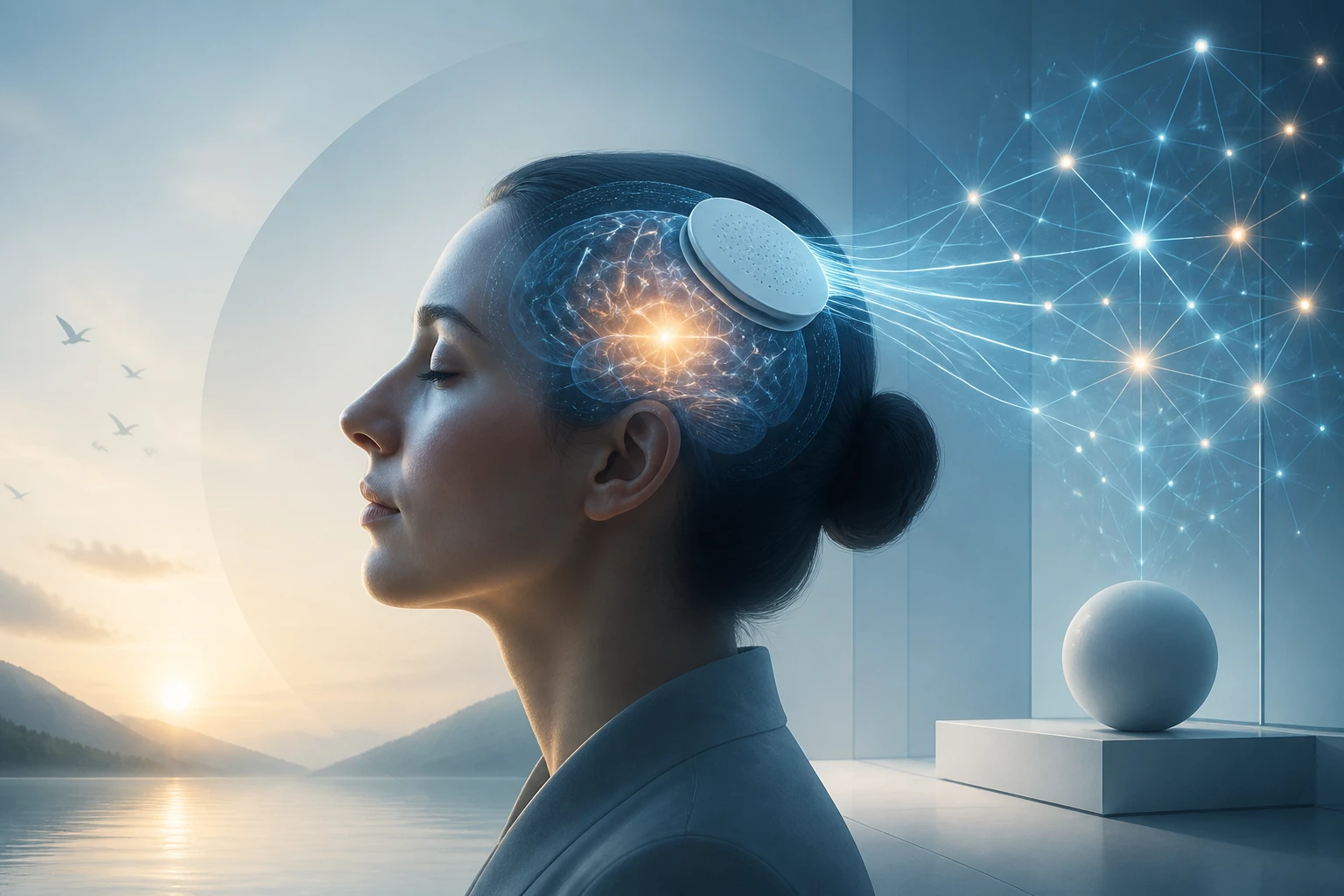
UCLA engineers developed a revolutionary wearable brain-computer interface combining EEG signals with vision-based AI to interpret user intentions in real time. The system boosted performance nearly 4× compared to traditional methods, enabling both able-bodied and paralyzed participants to control cursors and robotic arms with 95% accuracy and 2-3 second response times. This breakthrough could transform assistive technology for 5.4 million paralyzed Americans and revolutionize human-computer interaction across gaming, workplace productivity, and consumer electronics within 3-5 years.

Revolutionary Non-Invasive Brain Interface Breakthrough
Sep 19, 2025

AI Breakthrough: Contact Lenses Give Humans "Super Vision

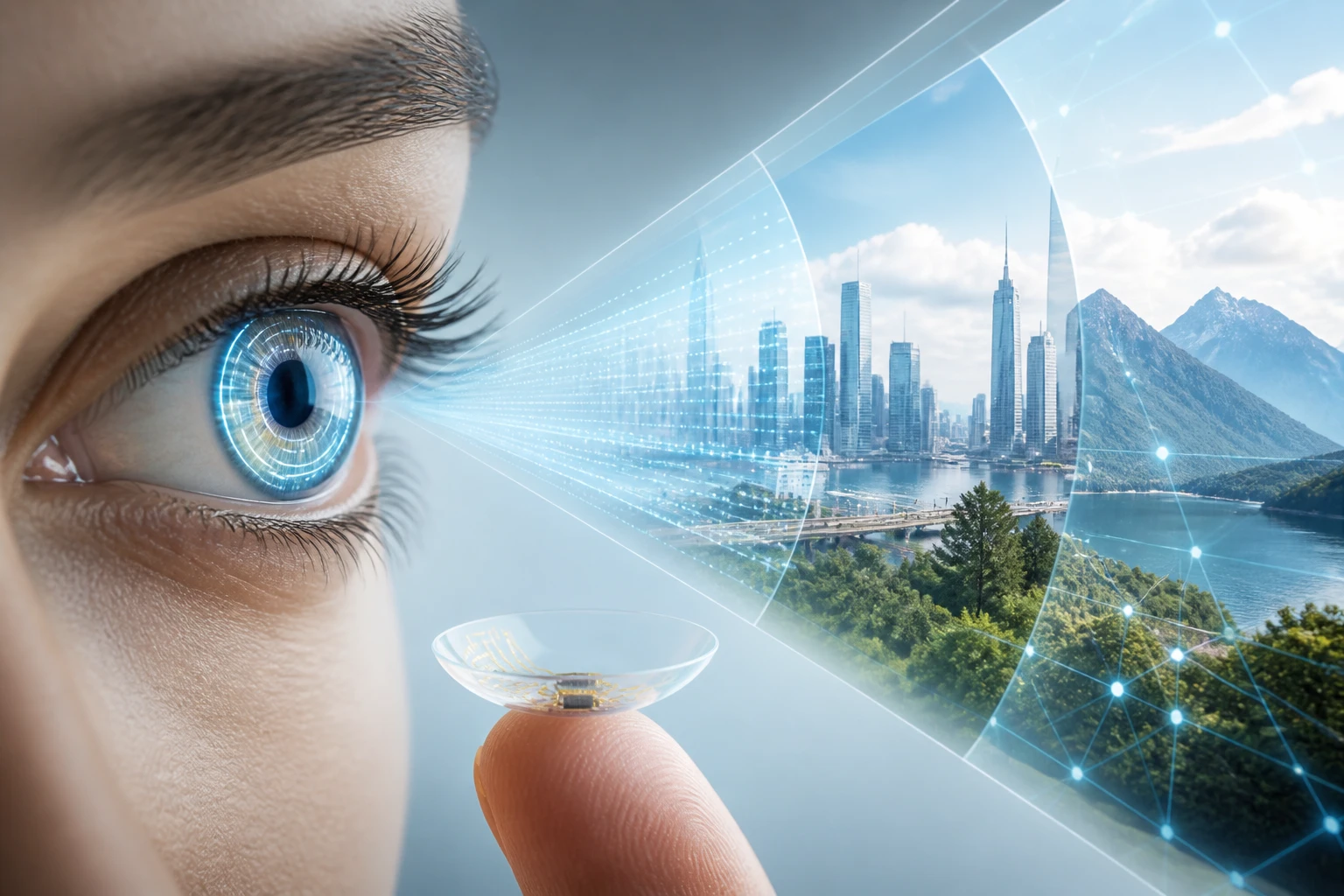
Scientists have developed revolutionary contact lenses with graphene sensors that enable humans to see infrared light, even in darkness or with eyes closed. These ultra-thin lenses convert heat signatures into visual information, potentially transforming fields like medicine, security, and emergency services. While still in trials, the technology could be commercially available within a decade, representing a significant step toward voluntary human enhancement and raising important questions about privacy and regulation in our increasingly augmented world.

AI Breakthrough: Contact Lenses Give Humans "Super Vision"
Sep 18, 2025

Google's Quantum Computer Creates "Impossible" Matter State

Google's quantum computer achieved a scientific breakthrough by creating a "Floquet topologically ordered state"—an exotic quantum phase of matter previously only theoretical. Using 58 qubits, they maintained quantum coherence for 8 microseconds while applying over 1,000 precisely timed energy pulses. This "impossible" matter state exhibits particles that remember their spatial paths and remain stable despite disturbances. The discovery advances quantum computing by potentially providing naturally error-corrected qubits and validates Google's quantum approach. This breakthrough bridges fundamental physics and practical applications, signaling accelerated development of quantum technologies across industries.

Google's Quantum Computer Creates "Impossible" Matter State
Sep 17, 2025

MIT Develops AI System That Predicts Chemical Reactions

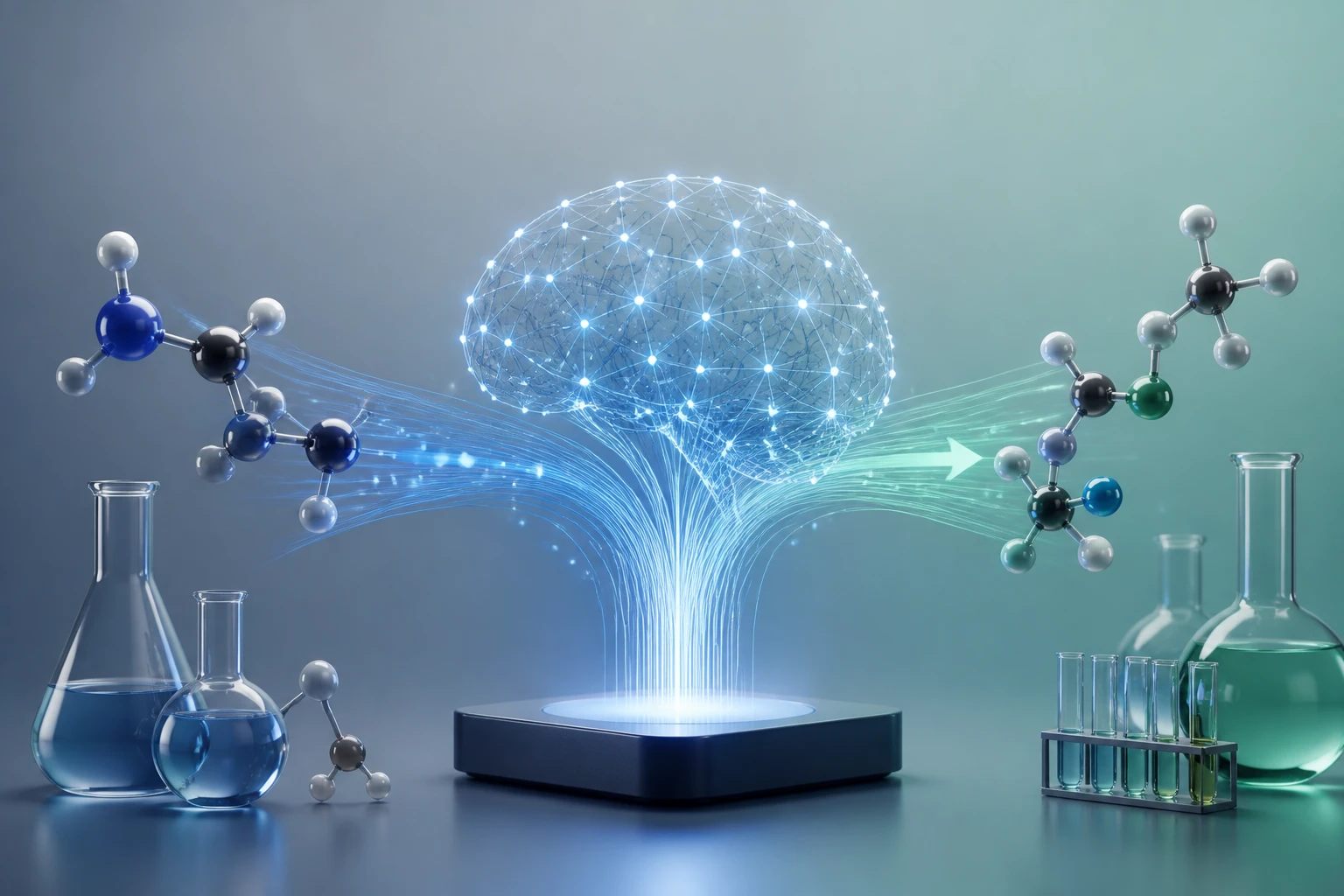
MIT's FlowER AI system predicts chemical reactions while enforcing conservation of mass and electrons, solving a key problem where previous AI models violated basic chemistry laws. Trained on 190,000+ reactions, it could revolutionize India's $50 billion chemical industry and pharmaceutical sector by accelerating drug discovery and reducing development costs from $1.3 billion per drug. This breakthrough creates new career opportunities at the intersection of AI and chemistry while supporting India's green manufacturing goals.

MIT Develops AI System That Predicts Chemical Reactions
Sep 13, 2025

India's AI Revolution: Big Tech Invests Tens of Billions in Digital India Push

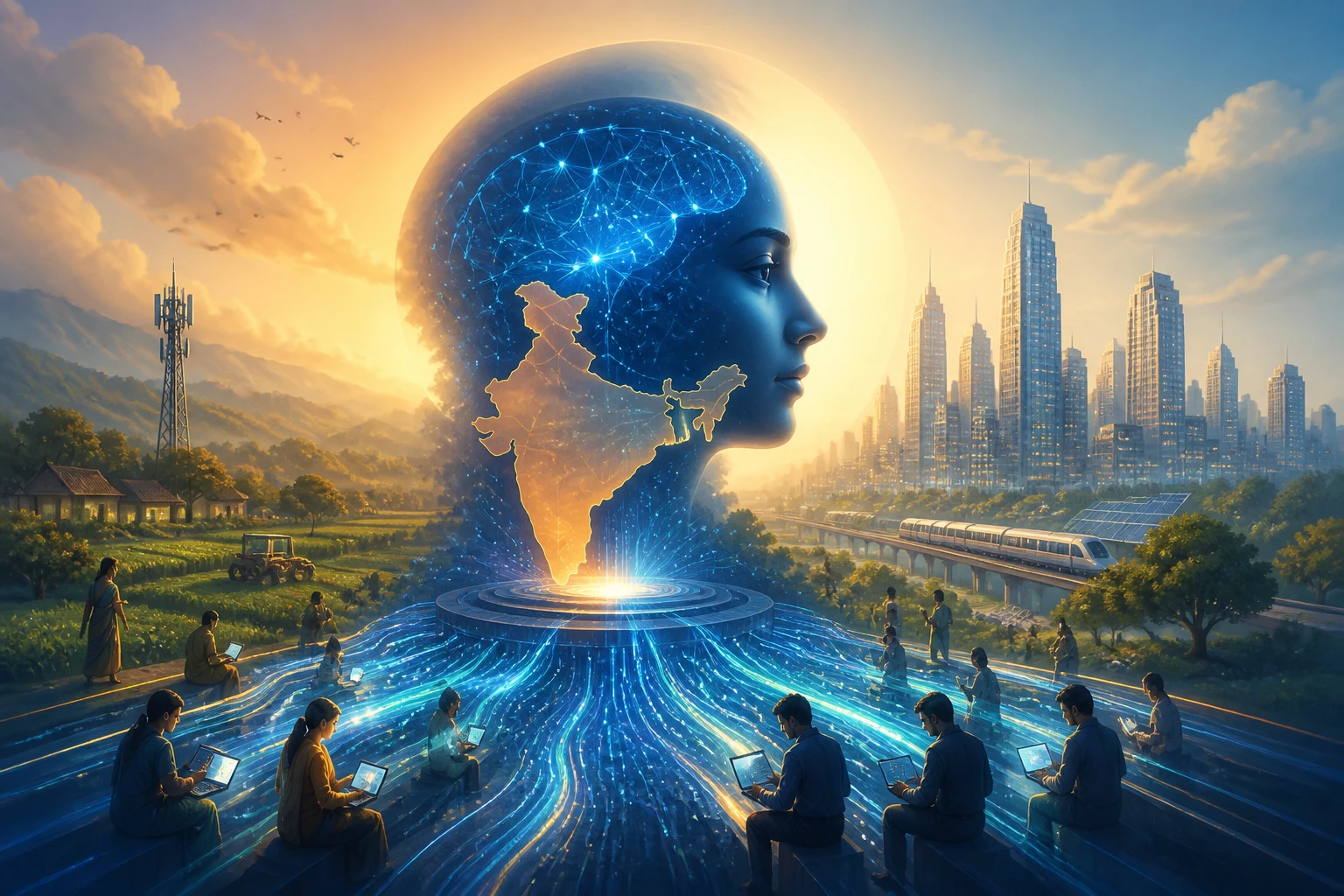
Major tech giants including Amazon, Google, Microsoft, Meta, and Apple have invested tens of billions in India's AI infrastructure between 2023-2025, transforming the country into a global AI hub. With OpenAI seeking local partners for 1-gigawatt data centers and Google committing $10 billion through digitization funds, India is positioned alongside the US and China as an AI superpower. This investment wave creates 10-15 million potential AI jobs by 2030, offering unprecedented opportunities for working professionals while establishing India as a critical player in the global AI ecosystem amid US-China tech tensions.

India's AI Revolution: Big Tech Invests Tens of Billions in Digital India Push
Sep 11, 2025

The AI Job Apocalypse: Why 6.7% of Positions Vanished in One Year

AI eliminated 6.7% of U.S. jobs (10.5 million positions) in one year, primarily targeting entry-level, routine tasks while creating only 2.8 million new AI-related roles requiring advanced skills. This rapid transformation creates a bifurcated labor market with high-skilled AI-enhanced positions and AI-resistant service jobs, while middle-tier cognitive work disappears. Companies like JPMorgan Chase and Amazon demonstrate this pattern, achieving massive productivity gains but struggling to retrain displaced workers who lack resources for lengthy reskilling programs requiring technical expertise.

The AI Job Apocalypse: Why 6.7% of Positions Vanished in One Year
Sep 9, 2025