Insightlyinsightly
Good eveningGuest.

India’s Power Grid Is Going ‘Make in India’

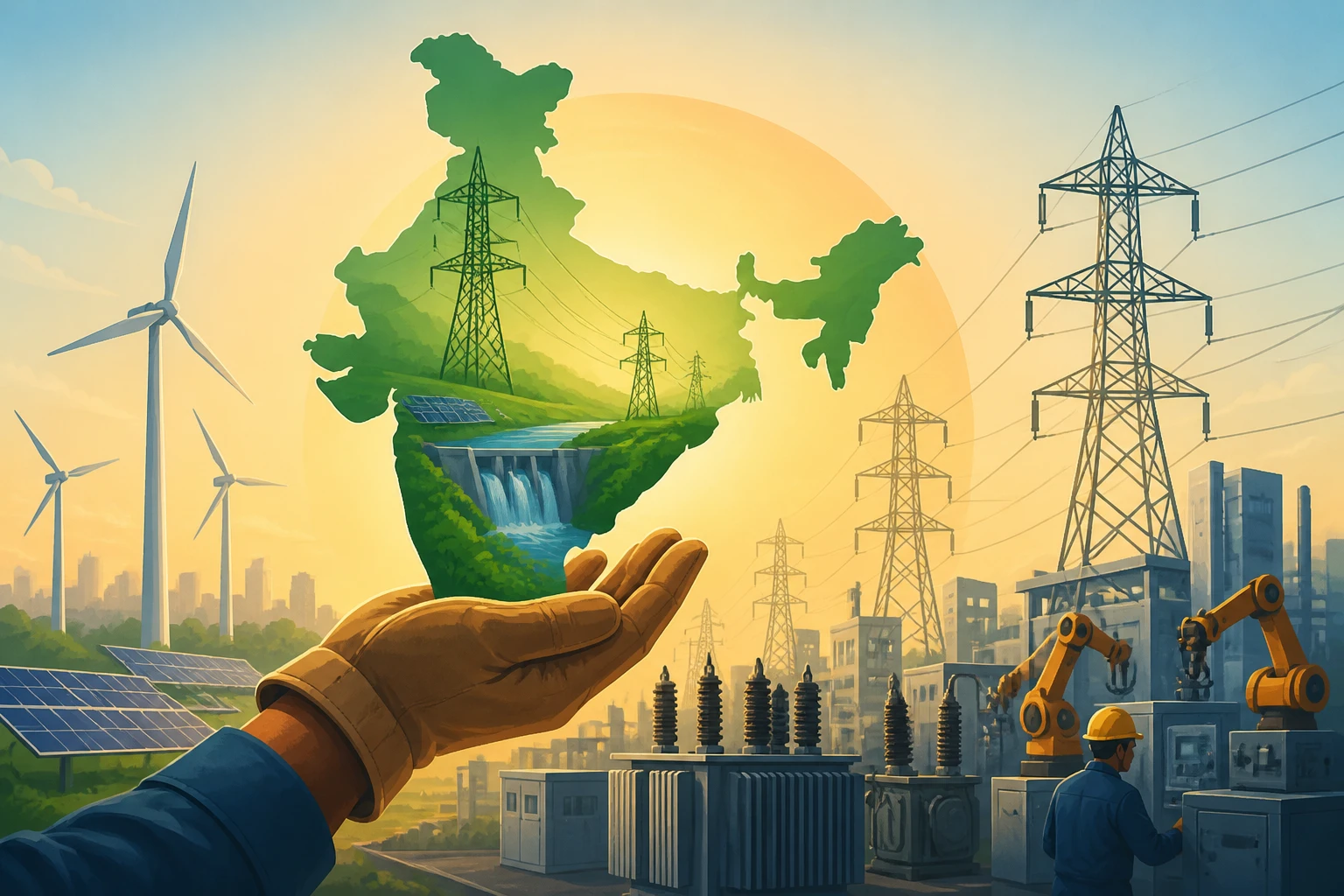
India's Ministry of Power has mandated 60% domestic content in HVDC substations by 2035 — the high-precision technology essential for long-distance power transmission and renewable integration. The policy is less a procurement rule and more an industrial bet: use guaranteed demand to build manufacturing capability India currently lacks. Whether it succeeds depends on consistent implementation and whether domestic players invest seriously in a technically unforgiving sector.
India’s Power Grid Is Going ‘Make in India’
May 13, 2026

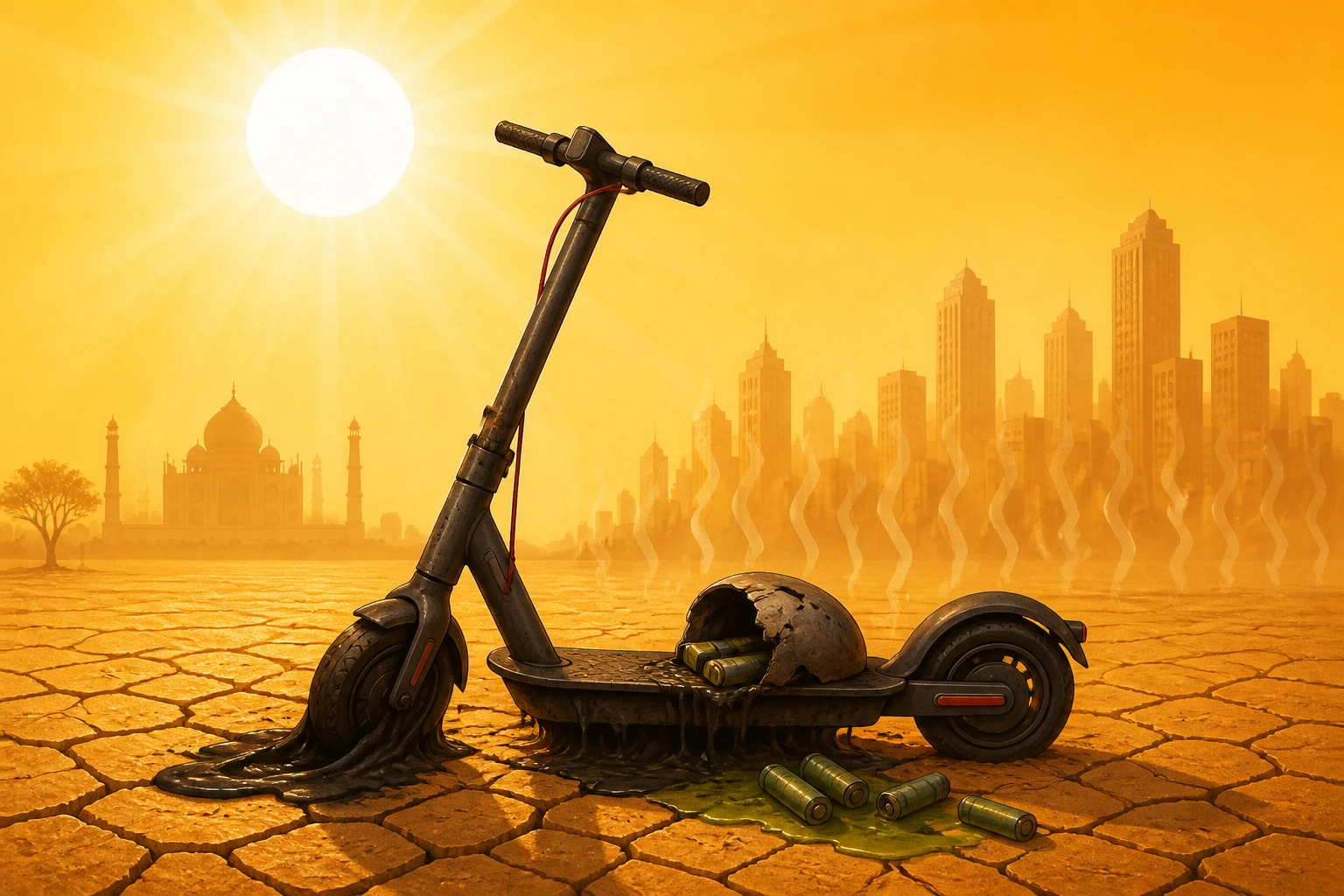
The Real Reason Electric Scooters are Dying in Indian Summers

India's EV revolution faces a critical challenge: 400 e-scooters caught fire during summer 2024 when temperatures hit 47°C, exceeding Chinese batteries' 40°C design limits. Companies are now developing "tropical batteries" costing 30% more, threatening EV affordability. Climate change is making summers hotter, potentially requiring constant battery redesigns. This reveals how global technology transfer often ignores local conditions, forcing India to choose between safety and affordability in its green transition.

The Real Reason Electric Scooters are Dying in Indian Summers
Oct 4, 2025

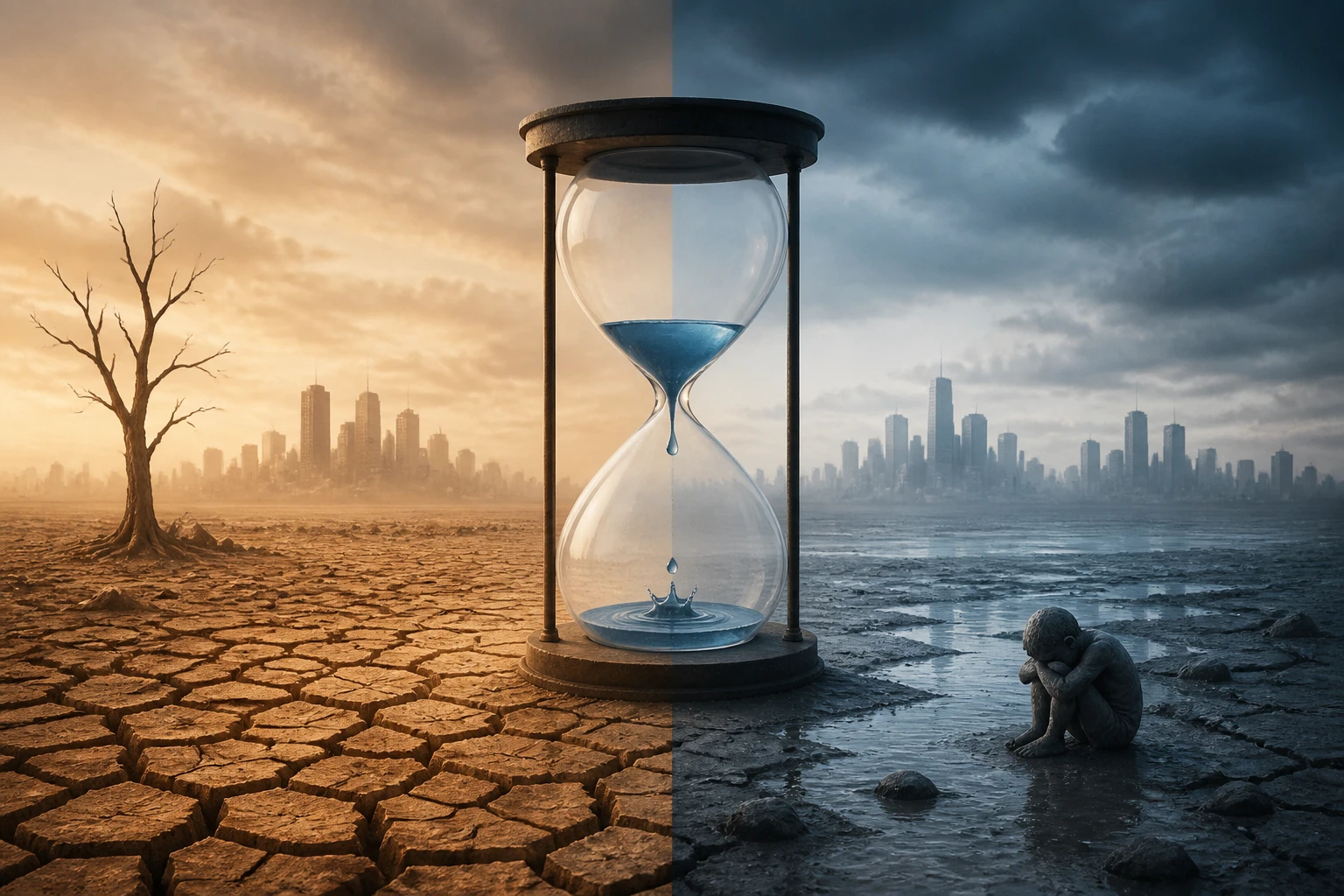
The water apocalypse coming in 2050

UN Water projects 5.1 billion people will face water shortages by 2050, up from 3.6 billion today. India, with 18% of global population but only 4% of freshwater, exemplifies this crisis. Climate change, population growth, and over-extraction create a perfect storm. While technology and policy can mitigate impacts, the crisis will reshape economies, migration patterns, and career opportunities, making water security the defining challenge for today's youth.

The water apocalypse coming in 2050
Sep 25, 2025

Is the Gangotri glacier losing snow earlier than usual?

Recent studies show the Gangotri Glacier is losing snow cover earlier each year, disrupting water flow patterns for 400 million people depending on the Ganga basin. This timing shift affects agriculture (15-20% yield reduction), energy security, and urban water systems. Companies like NHPC and ITC are already spending hundreds of crores adapting operations. The glacier's retreat rate has accelerated since 2000, creating irreversible changes requiring new policy frameworks and business strategies for water-dependent industries.

Is the Gangotri glacier losing snow earlier than usual?
Sep 1, 2025

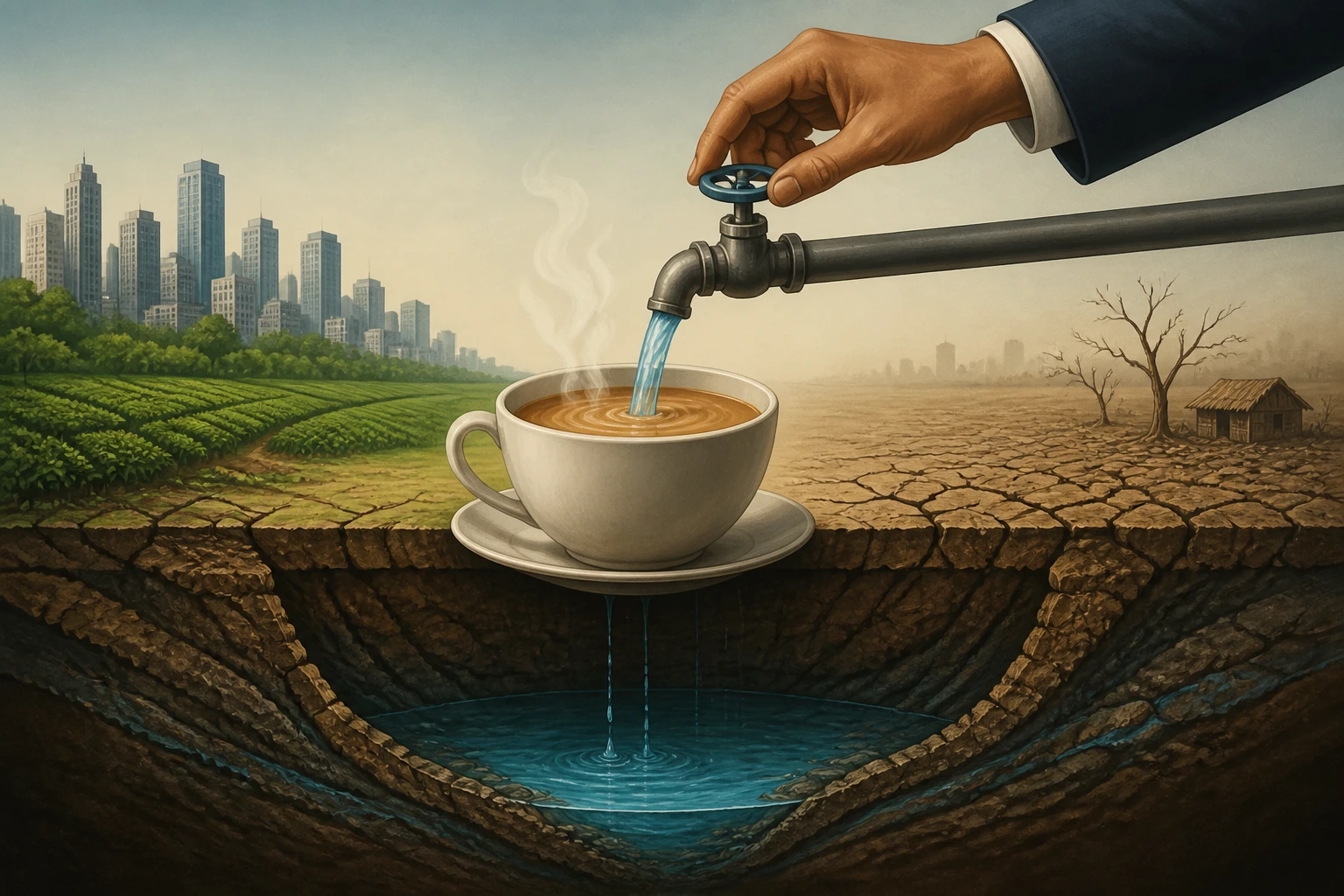
The Great Indian Groundwater Heist: How Your Morning Cup of Tea is Draining the Nation Dry

India faces a catastrophic groundwater crisis, extracting 253 billion cubic meters annually while recharging only 180 billion cubic meters. This invisible "heist" affects everything from your morning tea to major industries. With 21 cities potentially running dry by 2030, the crisis represents massive economic risks through stranded assets, supply chain disruptions, and forced business relocations. Complex state-federal governance structures hamper unified solutions, while free electricity subsidies encourage overconsumption. Working professionals face potential job relocations and higher costs as water-stressed regions become economically unviable.

The Great Indian Groundwater Heist: How Your Morning Cup of Tea is Draining the Nation Dry
Aug 24, 2025

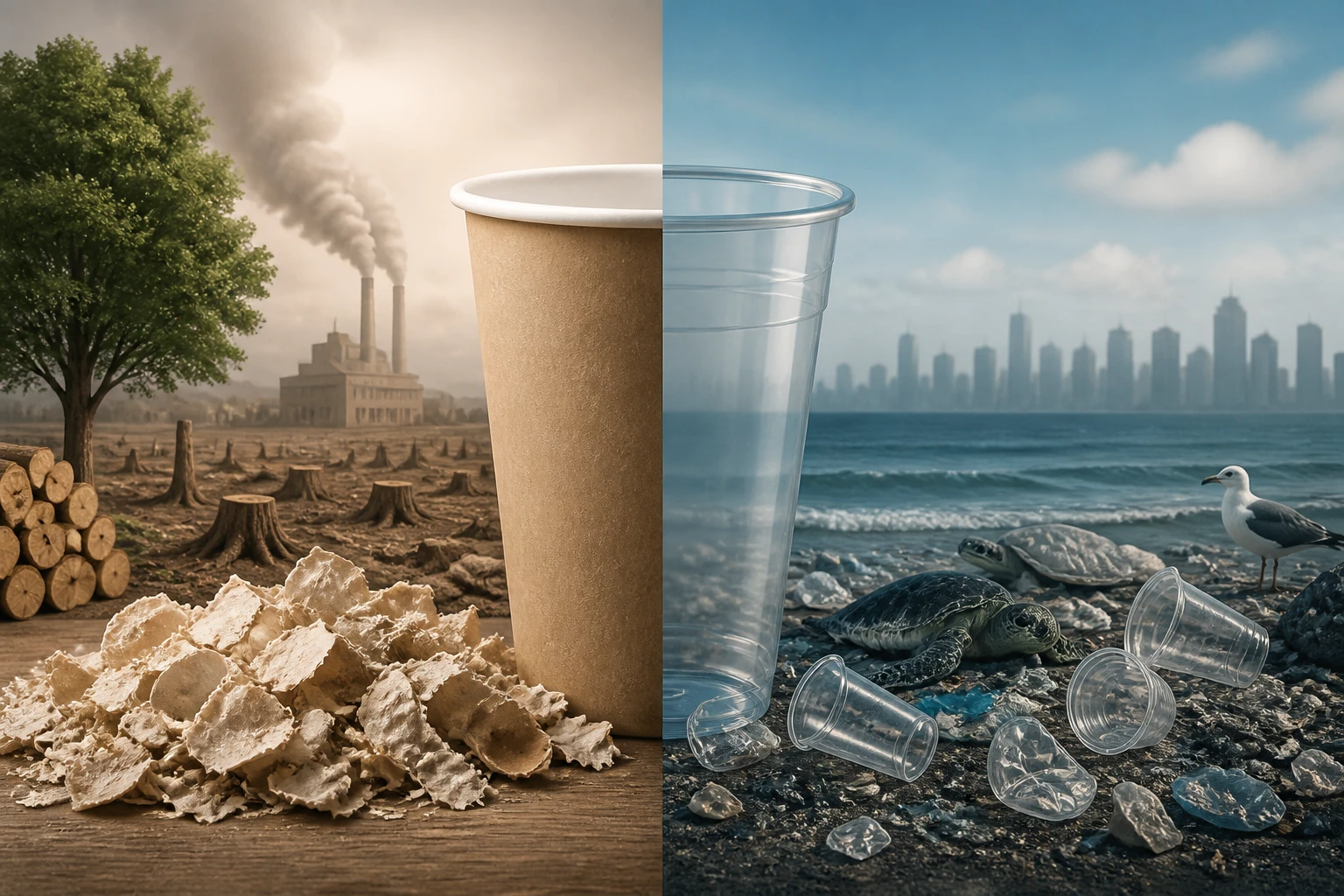
Why Your Favorite Coffee Shop's Paper Cup is Actually Worse Than Plastic

Paper coffee cups are worse for the environment than plastic ones, despite popular perception. Paper cups require 20% more energy to produce, generate 70% more air pollutants, and contain plastic linings that make recycling nearly impossible—less than 1% are successfully recycled. The manufacturing process involves intensive resource extraction, chemical processing, and higher carbon emissions. Companies like Starbucks and McDonald's have discovered this paradox through failed sustainability initiatives. The real issue isn't choosing between materials but addressing single-use culture entirely through reusable alternatives and systemic changes.

Why Your Favorite Coffee Shop's Paper Cup is Actually Worse Than Plastic
Aug 23, 2025

Why Your Smartphone is Quietly Fueling India's E-Waste Crisis

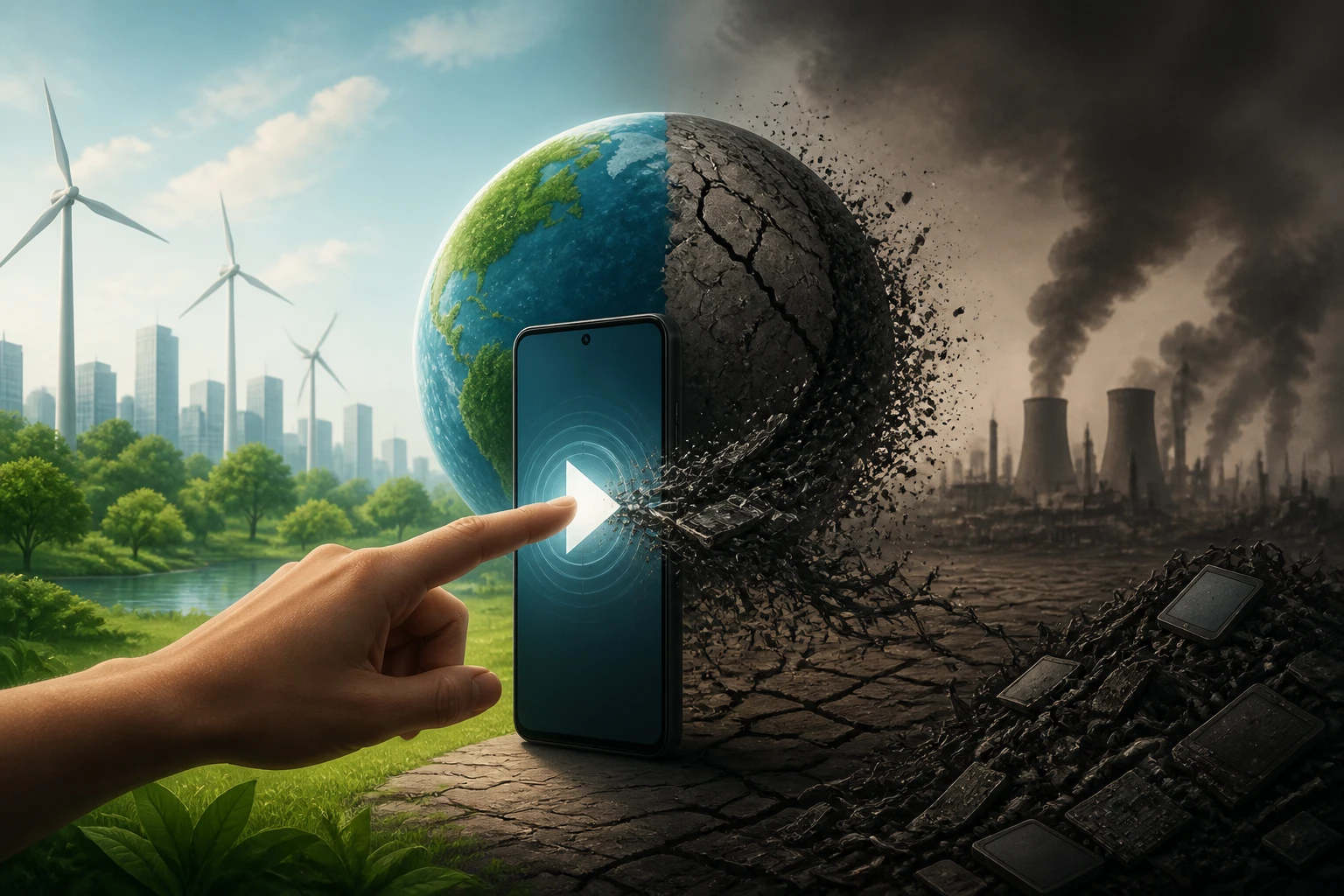
India generates 3.2 million tons of e-waste annually, with only 20% properly recycled. Working professionals upgrading smartphones regularly fuel this crisis, as informal recycling exposes workers to toxic materials while contaminating soil and water. Despite Extended Producer Responsibility policies, implementation lags behind consumption growth. Companies like Attero and Saahas offer solutions, but handle minimal volumes. With e-waste projected to double by 2030, professionals face increasing corporate disposal mandates and health risks from contaminated environments, creating both challenges and opportunities in sustainable technology careers.

Why Your Smartphone is Quietly Fueling India's E-Waste Crisis
Aug 22, 2025

The climate emergency India doesn't want to talk about

India faces over 300 climate disasters annually, with 655 extreme weather events in 2023 alone, yet climate action remains politically sensitive due to economic development priorities. Climate change could reduce India's GDP by 2.6% annually by 2100, while companies like Tata Steel and Reliance are investing billions in green technology. The country contributes only 4% of global emissions but faces disproportionate impacts, including potential 4-5°C temperature rise. Political resistance stems from immediate costs versus long-term benefits, but climate inaction will eventually force policy changes through crisis management rather than planned action.

The climate emergency India doesn't want to talk about
Aug 21, 2025

Why Your Smartphone is Making the Ocean More Acidic (And What Amazon is Doing About It)

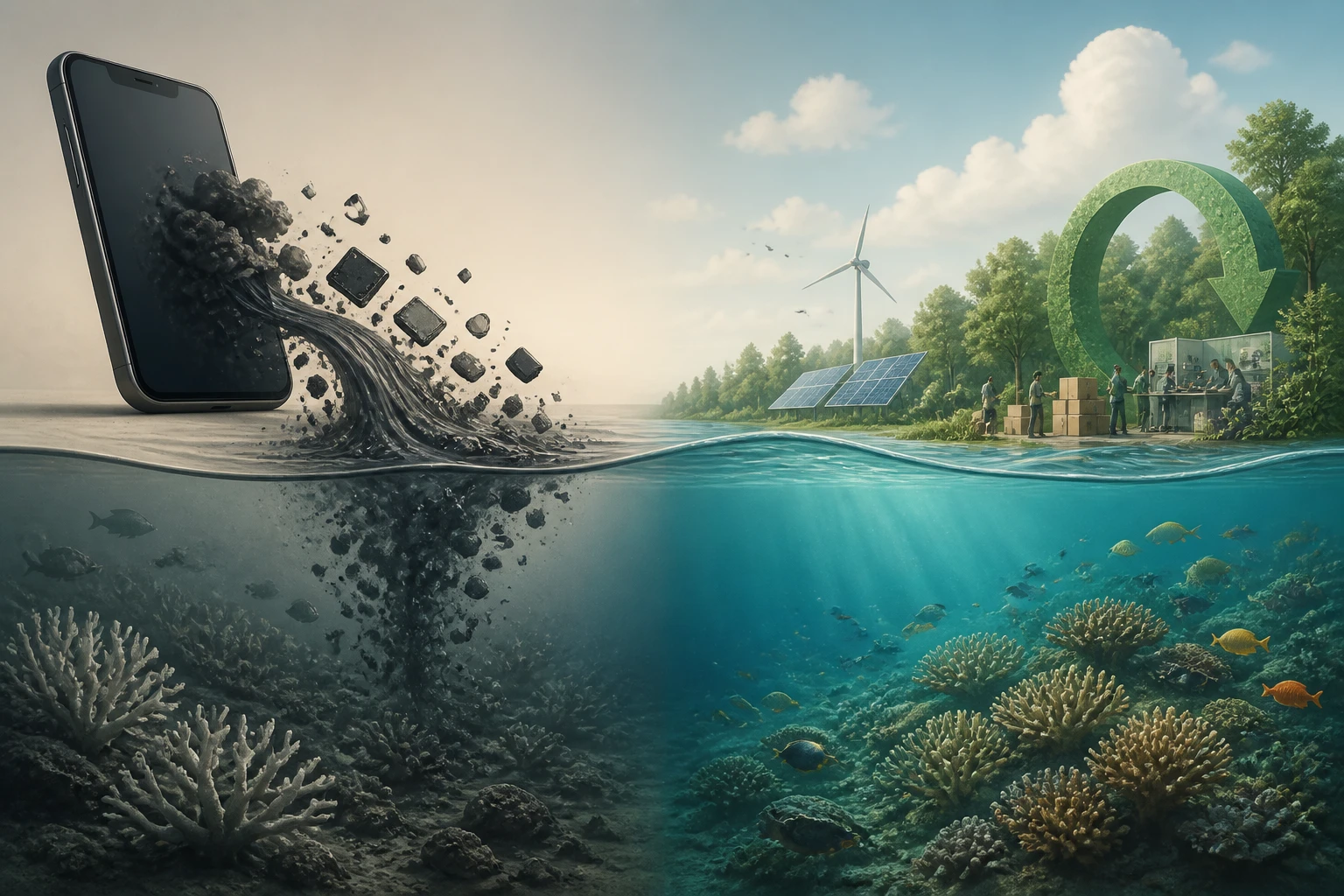
Deep-sea mining for smartphone and electric vehicle minerals is accelerating ocean acidification, creating underwater dead zones while companies like Amazon invest in seabed operations despite carbon neutrality claims. India's booming EV market and smartphone adoption, driven by government PLI schemes, is inadvertently fueling this crisis. Mining operations can increase local ocean acidity by 300-500%, threatening marine ecosystems across millions of square kilometers. The regulatory framework remains fragmented, with the International Seabed Authority issuing 31 exploration licenses covering 1.45 million square kilometers but lacking enforcement mechanisms. Deep-sea mining costs 40-60% less than terrestrial alternatives, creating economic incentives that complicate environmental solutions. With global mineral demand projected to increase 400% by 2030, consumer awareness and sustainable sourcing innovations represent the primary paths toward resolving this technology-environment paradox.

Why Your Smartphone is Making the Ocean More Acidic (And What Amazon is Doing About It)
Aug 20, 2025

Why Your Daily UPI Payment Could Be Secretly Destroying the Planet

India's UPI ecosystem, processing 131 billion annual transactions worth ₹200 trillion, generates approximately 65,000 tons of CO2 annually—equivalent to 14,000 cars running year-round. Each transaction consumes 0.5-0.7 watt-hours across data centers, banking servers, and telecom networks, creating 0.4-0.6 grams of CO2. The infrastructure requires massive energy consumption: Paytm's primary data center alone uses 15 MW of power. With NPCI projecting 1 billion daily transactions by 2026, carbon emissions could quintuple without intervention. Solutions exist—Sweden's Swish system achieved 65% emission reduction through renewable energy requirements—but India lacks coordinated environmental regulation across payment companies, banks, and telecom providers. Working professionals must recognize that convenient digital payments carry hidden environmental costs requiring urgent policy attention.

Why Your Daily UPI Payment Could Be Secretly Destroying the Planet
Aug 18, 2025

The ₹2 Lakh Crore Water Crisis Hiding in Your Smartphone

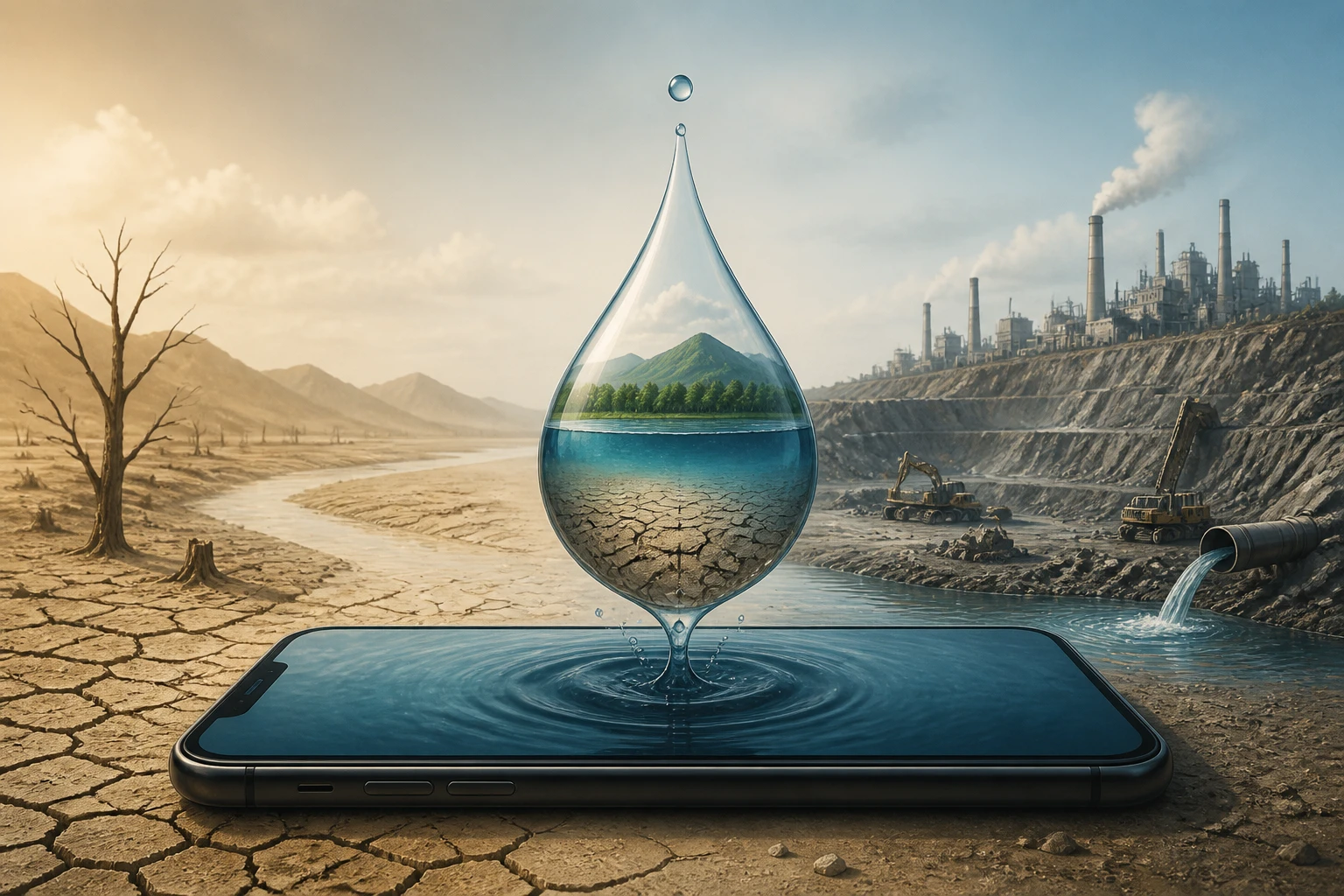
India's booming digital economy faces a hidden crisis: data centers powering our smartphones and digital services consume massive amounts of water for cooling. With the data center industry projected to reach ₹2 lakh crore by 2025, water consumption could hit 105 billion liters annually - enough for 14 million people. Major cloud providers like AWS and Microsoft operate in water-stressed regions, creating virtual water stress where our digital habits contribute to scarcity elsewhere. The crisis is compounded by regulatory gaps, misaligned economic incentives, and rapid 25% annual growth in data consumption. Solutions exist through innovative cooling technologies and water management, but require significant investment and policy reform to decouple digital growth from water consumption.

The ₹2 Lakh Crore Water Crisis Hiding in Your Smartphone
Aug 18, 2025

Why Delhi's Air Pollution Makes Your Zomato Order More Expensive Than You Think

Delhi's air pollution is silently inflating your food delivery costs through a complex web of hidden expenses. When AQI levels exceed 400, delivery workers face health risks equivalent to smoking 10 cigarettes daily, leading companies like Zomato and Swiggy to introduce pollution pay, premium health insurance, and protective equipment - costs passed to consumers through adjusted pricing. Vehicle maintenance increases 15-20% during peak pollution, while delivery times extend 25-30% as workers take frequent breaks. The insurance industry now charges 18-22% higher premiums for Delhi-based workforces. This represents a broader economic phenomenon where environmental degradation creates hidden taxes on urban services, forcing businesses to internalize pollution costs while maintaining competitive pricing, ultimately demonstrating how climate challenges reshape city economics.

Why Delhi's Air Pollution Makes Your Zomato Order More Expensive Than You Think
Aug 18, 2025