Insightlyinsightly
Good eveningGuest.

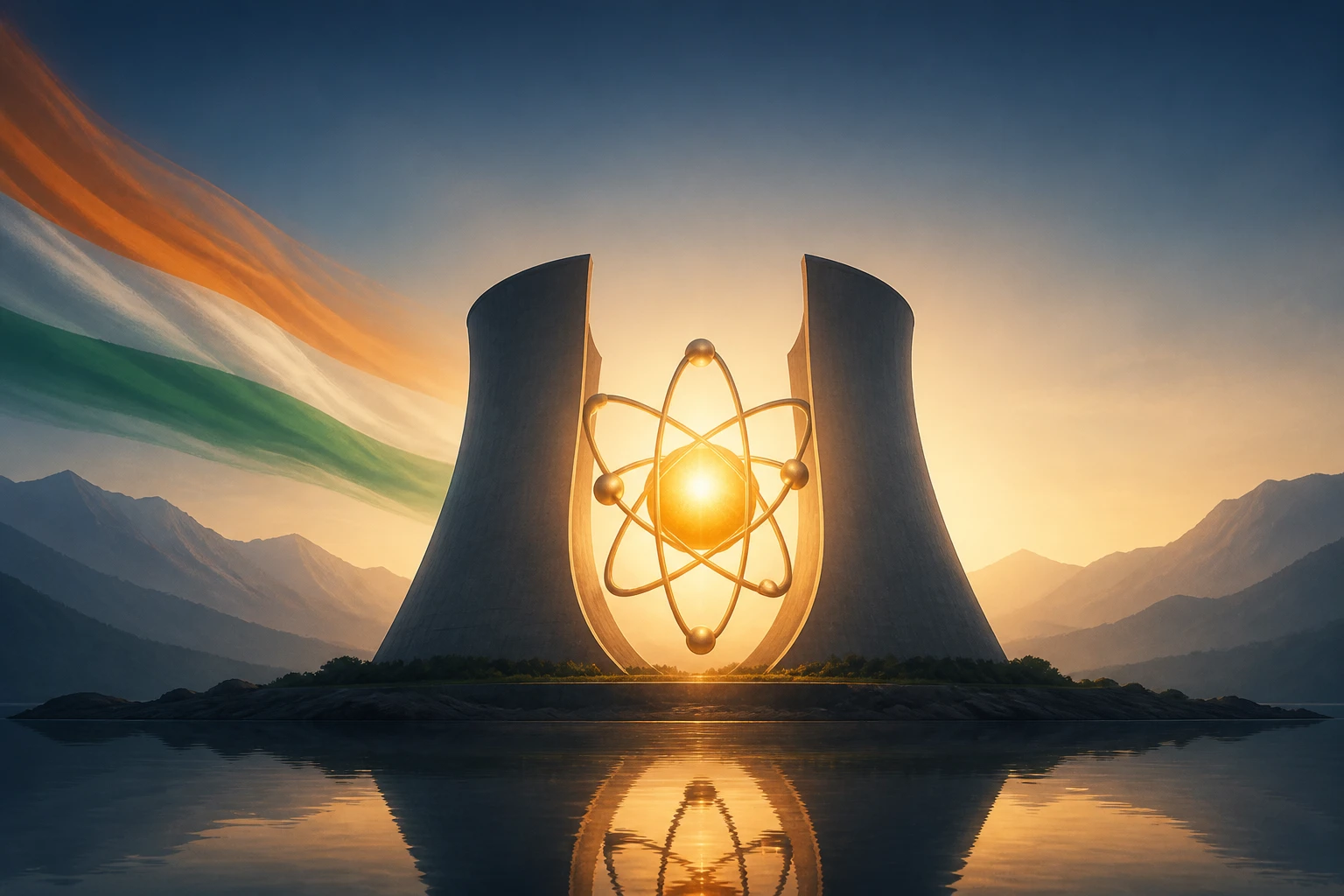
India’s Quiet Nuclear Breakthrough

India's Nuclear Power Corporation achieved a historic milestone with its 500 MWe Fast Breeder Reactor reaching criticality in April 2026. Unlike conventional reactors, this technology creates more fuel than it consumes, potentially extending India's uranium reserves from 40-50 years to over 2,500 years. The breakthrough addresses energy security for a country importing 85% of its oil while providing clean baseload power to complement renewables. This positions India as a potential leader in advanced nuclear technology and offers a scalable solution for long-term energy independence.
India’s Quiet Nuclear Breakthrough
May 9, 2026

India's RBI Brings Home Gold: From 437 Tonnes Overseas to 197 Tonnes

India's RBI has quietly brought home nearly 240 tonnes of gold from overseas vaults, reducing foreign storage from 437 tonnes in March 2023 to 198 tonnes by March 2026. This strategic shift reflects India's growing economic confidence and aligns with the Atmanirbhar Bharat initiative. The move reduces custodial costs, eliminates foreign exchange risks, and provides greater operational control. It parallels similar actions by China and Russia, signaling emerging economies' desire for financial independence from Western institutions, especially after geopolitical tensions highlighted risks of overseas asset storage.

India's RBI Brings Home Gold: From 437 Tonnes Overseas to 197 Tonnes
May 7, 2026

NATO Members Deploy Troops to Greenland Amid US Annexation Threats

Trump's renewed push to acquire Greenland has triggered an unprecedented NATO crisis, with Germany, Sweden, and Norway deploying troops to support Denmark. The Arctic territory holds 25% of global rare earth minerals and controls shipping routes worth $1 trillion annually. Denmark's Foreign Minister declared "fundamental disagreement" with the US position after meeting Vice President Vance. This standoff is fracturing NATO unity while China and Russia watch for alliance weaknesses. The crisis highlights how climate change and Arctic resources are reshaping global geopolitics and alliance structures.

NATO Members Deploy Troops to Greenland Amid US Annexation Threats
Jan 19, 2026

Iran Protests Crisis: Over 2,500 Killed in Deadliest Unrest Since 1979 Revolution

Iran faces its deadliest unrest since 1979, with over 2,500 protesters killed and 18,000 arrested during anti-government demonstrations that began in December. Initially sparked by economic grievances including 40% inflation and 25% youth unemployment, protests evolved into broader anti-regime movements. The government's brutal crackdown exceeds casualties from 2009's Green Movement. International responses vary from EU sanctions to Senator Graham's call for US military intervention. This crisis highlights challenges facing authoritarian regimes in the digital age and has significant implications for regional stability, affecting countries like India through energy security and regional partnerships.

Iran Protests Crisis: Over 2,500 Killed in Deadliest Unrest Since 1979 Revolution
Jan 18, 2026

What are India’s diplomatic headwinds in 2026?

India faces significant diplomatic challenges in 2026, including potential US tariffs of 10-20% on imports and H-1B visa restrictions under Trump's return. With a $35 billion trade surplus with America and 73% of H-1B approvals going to Indians, economic and immigration tensions loom large. Regional instability in Bangladesh and Pakistan adds complexity, while neighborhood turmoil threatens security. These headwinds require India to diversify partnerships, compartmentalize relationships, and accelerate domestic manufacturing to reduce export dependence while maintaining strategic ties globally.

What are India’s diplomatic headwinds in 2026?
Jan 2, 2026

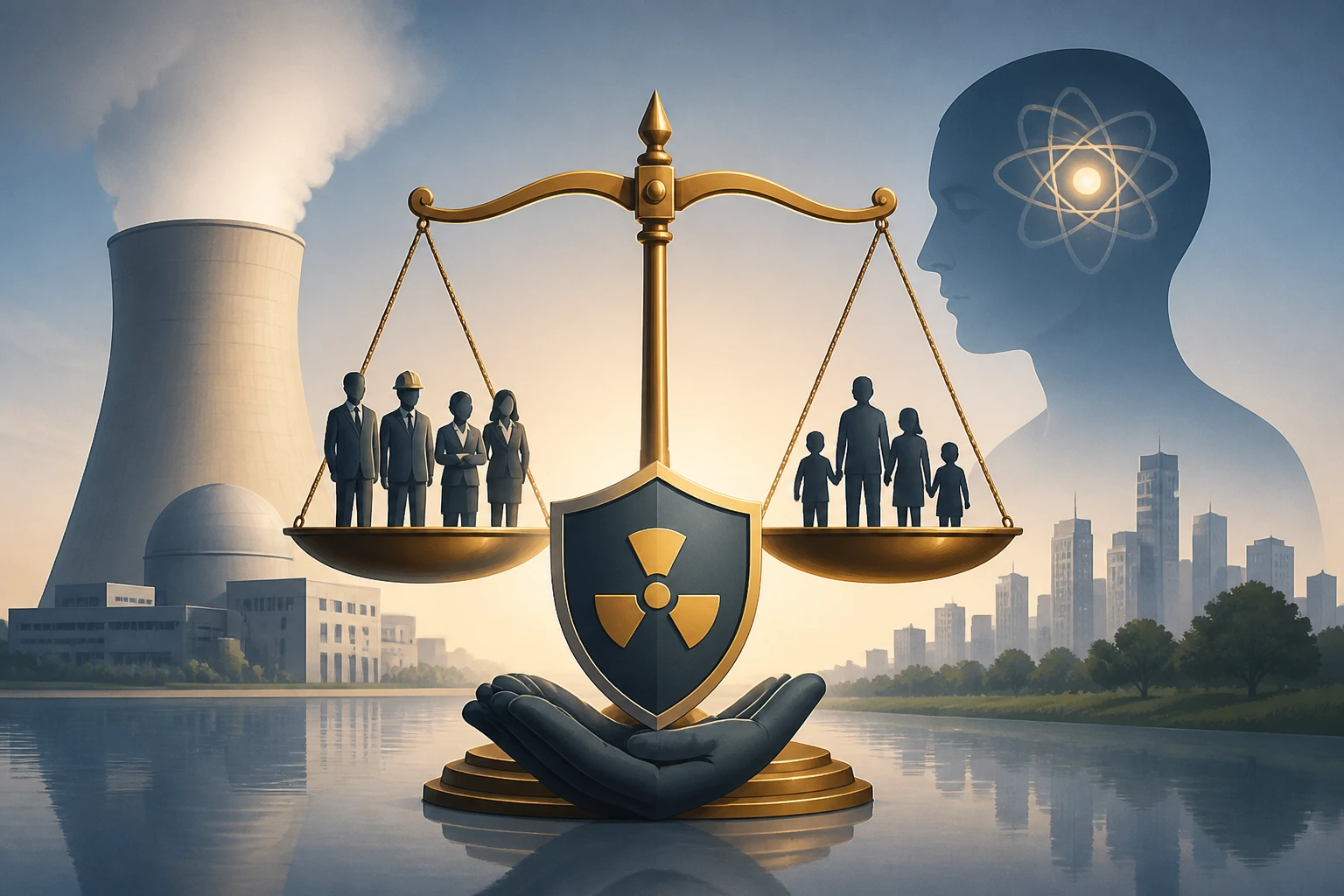
SHANTI Act: Who is liable for nuclear incidents under the new law?

India's new SHANTI Act revolutionizes nuclear liability by completely exempting suppliers from accident responsibility while capping operator liability at ₹3,000 crores. This replaces the 2010 law that deterred foreign nuclear companies through supplier liability provisions. The change aims to boost India's nuclear capacity from 7,000 MW to 22,480 MW by 2031 by attracting international investment. While suppliers welcome reduced risk exposure, critics question whether the liability cap adequately covers potential accident costs, given Fukushima's $200 billion impact.

SHANTI Act: Who is liable for nuclear incidents under the new law?
Jan 1, 2026

When the Rupee Sneezes, Imports Catch a Cold

India's rupee volatility significantly impacts importers across sectors, with crude oil imports bearing the heaviest burden since India imports over 80% of its oil. Currency depreciation increases costs for electronics, machinery, and fertilizers, forcing companies to either absorb losses or pass costs to consumers. While hedging offers some protection, it's expensive and imperfect. Export-oriented companies like IT services benefit from rupee weakness, but overall volatility complicates policy decisions and business planning, ultimately affecting consumer prices and inflation.

When the Rupee Sneezes, Imports Catch a Cold
Dec 22, 2025

Why Gold Is Back in Indian Portfolios

Gold is returning to Indian portfolios as global uncertainty and inflation drive demand for safe-haven assets. Young investors are embracing modern gold instruments like digital gold, ETFs, and Sovereign Gold Bonds instead of physical gold. Central banks purchased record amounts in 2022, supporting prices. While gold provides portfolio stability and inflation protection, it underperforms during equity bull markets. Financial advisors recommend 5-15% allocation, treating gold strategically as portfolio insurance rather than a growth investment for long-term wealth building.

Why Gold Is Back in Indian Portfolios
Dec 20, 2025

How will Australia’s social media ban work?

Australia became the first country to ban social media access for users under 16, targeting platforms like Facebook, Instagram, and TikTok with $33 million fines for non-compliance. The law requires companies to implement age verification systems by late 2025, creating significant technical and privacy challenges. This groundbreaking legislation could reshape global digital governance, with France, Norway, and other nations already exploring similar measures, potentially creating new industries around digital identity verification.

Social Media Ban
Dec 16, 2025

India's QR Code Revolution on National Highways

NHAI has introduced QR code-enabled sign boards on national highways that provide real-time construction updates, completion dates, and alternative routes via smartphone scans. This addresses a major pain point for travelers on India's 96,000+ km highway network, where 40% of freight traffic moves. The system offers unprecedented transparency in infrastructure projects while helping logistics companies, tourists, and daily commuters make informed decisions. Success depends on widespread adoption and accurate data updates, but it represents a significant step toward digitizing Indian governance and infrastructure management.

India's QR Code Revolution on National Highways
Oct 7, 2025

India's New Digital Competition Law Will Break Your Favorite Apps

India's Digital Competition Bill aims to break Big Tech monopolies by banning "bundling" practices, preventing Google from pre-installing YouTube and Amazon from promoting Prime Video with shopping. However, the legislation could require 40% more phone storage, make super apps like Tata Neu illegal, and fragment user experiences. While designed to promote competition, the bill might hurt consumers through increased complexity and costs, creating a regulatory dilemma where the cure for monopoly could prove worse than the disease itself.

Digital Competition Law India 2024
Oct 5, 2025

India Bids Farewell to Iconic MiG-21: End of 60-Year Aviation Era

India retired its iconic MiG-21 fighter jets after 60 years of service, ending an era that shaped the Indian Air Force through multiple conflicts. Operating over 874 aircraft variants, the MiG-21 flew 1.2 million hours and participated in wars from 1971 to Kargil, despite earning the "Flying Coffin" nickname due to 400+ crashes. This strategic retirement represents India's shift toward modern fourth and fifth-generation fighters like Rafale and indigenous Tejas, marking a transition from Soviet-era dependence to self-reliant defense manufacturing and advanced aviation capabilities.

India Bids Farewell to Iconic MiG-21: End of 60-Year Aviation Era
Sep 28, 2025

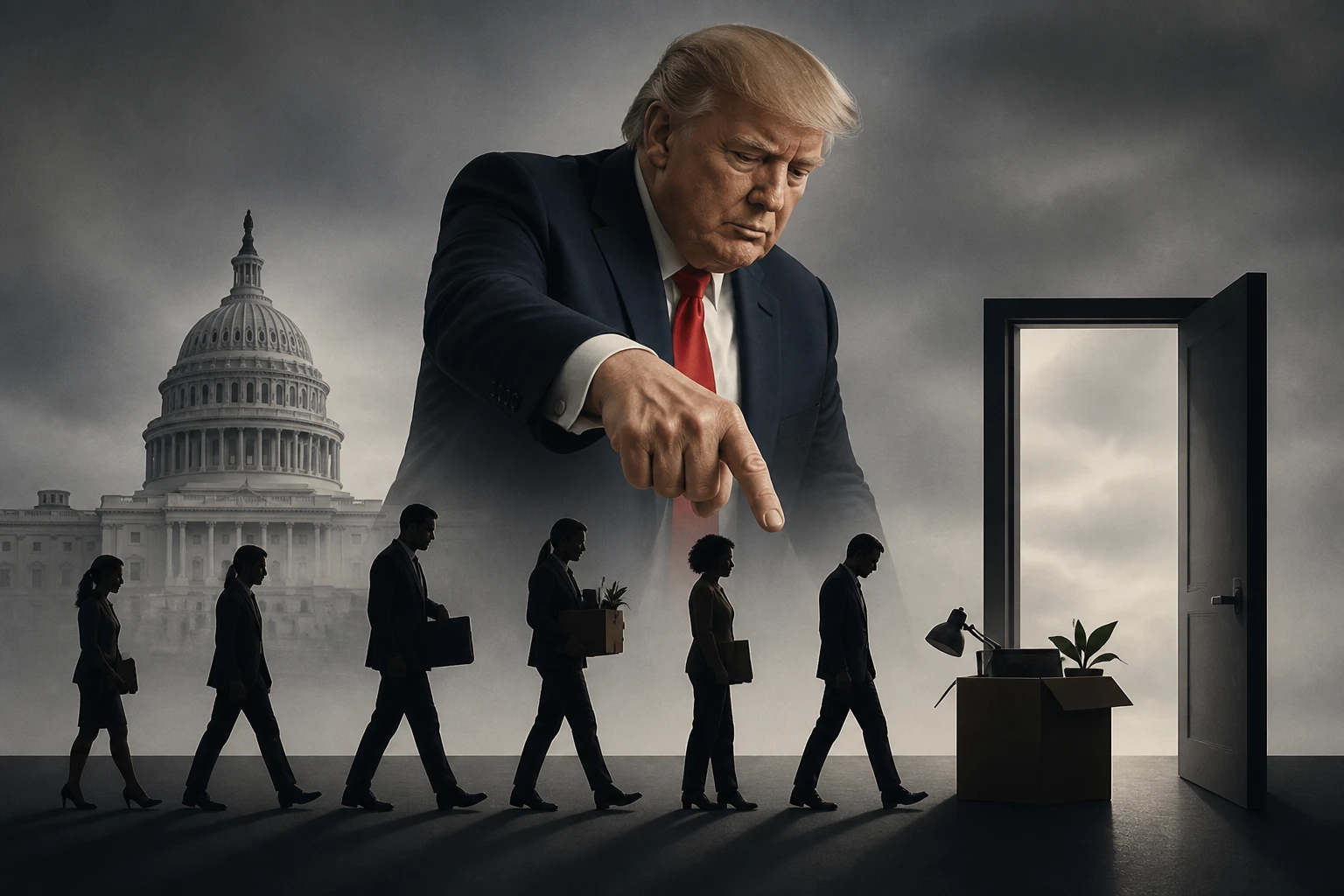
US Government Shutdown Crisis: Trump Orders Mass Layoffs Ahead of Tuesday Deadline

The White House has ordered federal agencies to prepare mass layoff plans as Congress faces an October 1st deadline to pass a government funding bill. The memo targets employees in discretionary-funded programs, potentially affecting thousands of the government's 2.2 million civilian workers. Unlike typical shutdown furloughs, these "reduction-in-force notices" suggest more permanent job cuts. The 2018-2019 shutdown lasted 35 days and cost the economy $11 billion, demonstrating the severe economic ripple effects beyond government operations.

US Government Shutdown Crisis: Trump Orders Mass Layoffs Ahead of Tuesday Deadline
Sep 28, 2025

The turmoil in Kathmandu, the road ahead for Nepal

Nepal's Gen Z protests on September 8, 2025, rapidly escalated after excessive police force, forcing PM K.P. Sharma Oli to resign within 24 hours. With 65% of Nepal's population under 35 and youth unemployment at 19.2%, digital-savvy protesters successfully leveraged social media to amplify their message. The sudden political vacuum exposes deeper structural problems in Nepal's governance, while creating uncertainty for regional partners India and China who have significant economic and strategic interests in the country.

The turmoil in Kathmandu, the road ahead for Nepal
Sep 27, 2025

Is the American Dream dead for Indians?

Trump's $100,000 H-1B visa fee creates unprecedented barriers for Indian professionals, who comprise 75% of recipients. While not killing the American dream entirely, it transforms H-1B access into a luxury product available only to top-tier talent or well-funded companies. This shift encourages exploring alternative destinations like Canada and Europe, while potentially benefiting Indians already in America through reduced competition and higher market value.

Is the American Dream dead for Indians?
Sep 27, 2025

World's Longest Solar Village: Dhordo Goes 100% Green

Dhordo village in Gujarat has become 100% solar-powered, generating 2.5 MW daily while serving as UN's 'Best Tourism Village'. The ₹12 crore project covers 850 households, reduces monthly electricity costs from ₹800-1,200 to ₹350, and prevents 1,800 tons of annual CO2 emissions. This successful model handles tourism surges during Rann Utsav and is being studied for replication across 25,000 Indian villages by 2030, creating significant opportunities in India's expanding green economy sector.

World's Longest Solar Village: Dhordo Goes 100% Green
Sep 25, 2025

Underwater robots that could make India the next ocean superpower

Odisha-based Coratia Technologies has secured India's first major indigenous underwater robotics contract worth Rs 66 crore with the Indian Navy for Underwater Remotely Operated Vehicles (UWROVs). These robots can operate at 3,000-meter depths for naval surveillance, mine detection, and rescue operations. This breakthrough reduces India's dependence on foreign suppliers in the $7.6 billion underwater robotics market, supporting the Atmanirbhar Bharat vision while strengthening maritime security capabilities across India's 7,500-kilometer coastline and strategic Indian Ocean interests.

Ocean Superpower
Sep 24, 2025

China's New K Visa Challenge: The Tech Talent War Heats Up

China launches its K Visa program starting October 2025, targeting young STEM professionals aged 21-40 as U.S. H-1B costs soar to $15,000 with only 26% approval rates. The streamlined K Visa offers $2,000 processing fees and 60-day approvals, directly competing for global talent. This represents a strategic shift in international talent competition, giving Indian professionals new alternatives while potentially forcing other countries to reform their immigration policies.

China's New K Visa Challenge: The Tech Talent War Heats Up
Sep 24, 2025

H-1B’s new $100k visa fee: Why young Indian women are most at risk

The U.S. government's new $100,000 H-1B visa fee—up from $2,000-$5,000—will disproportionately impact young Indian women in tech. With women earning 15-25% less than male peers and holding only 34% of senior positions, they're less likely to secure employer sponsorship under the new costly system. This creates a wealth-based immigration barrier that could price out an entire demographic from American opportunities, fundamentally reshaping skilled migration patterns and workplace diversity in the U.S. tech sector.

H-1B’s new $100k visa fee: Why young Indian women are most at risk
Sep 23, 2025

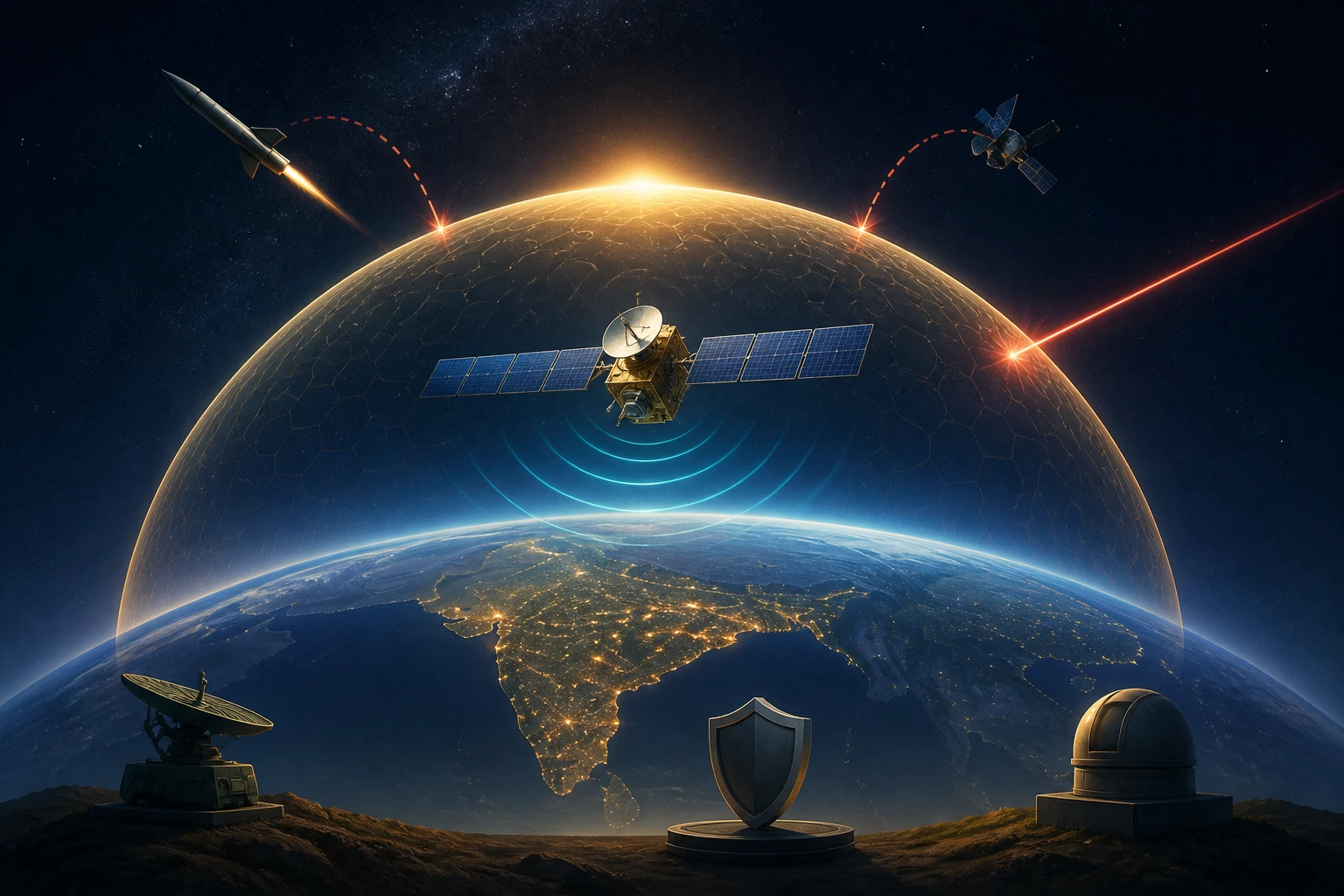
How is India planning to protect its satellites in space?

Following a 2024 near-collision between an Indian satellite and foreign spacecraft, India is developing "bodyguard satellites" to protect its $7 billion space assets. The comprehensive defense program includes surveillance satellites, ground-based radars, and LiDAR technology to track threats among 34,000 space objects. With India's space economy projected to reach $40 billion by 2040, this initiative marks the country's evolution from peaceful space exploration to active space defense, creating significant opportunities in aerospace and AI sectors while strengthening regional security capabilities.

How is India planning to protect its satellites in space?
Sep 23, 2025