Insightlyinsightly
Good eveningGuest.

Why women possibly twice at risk of depression than men

New research reveals women carry 6,000 additional depression-risk gene variants beyond the 7,000 shared with men, scientifically explaining why women face double the depression risk. This genetic "double burden" creates 13,000 potential vulnerability points versus men's 7,000, validating that higher female depression rates stem from biological differences, not just social factors. The discovery enables targeted treatments and justifies gender-specific mental health approaches in healthcare and workplace policies.

Why women possibly twice at risk of depression than men
Oct 8, 2025

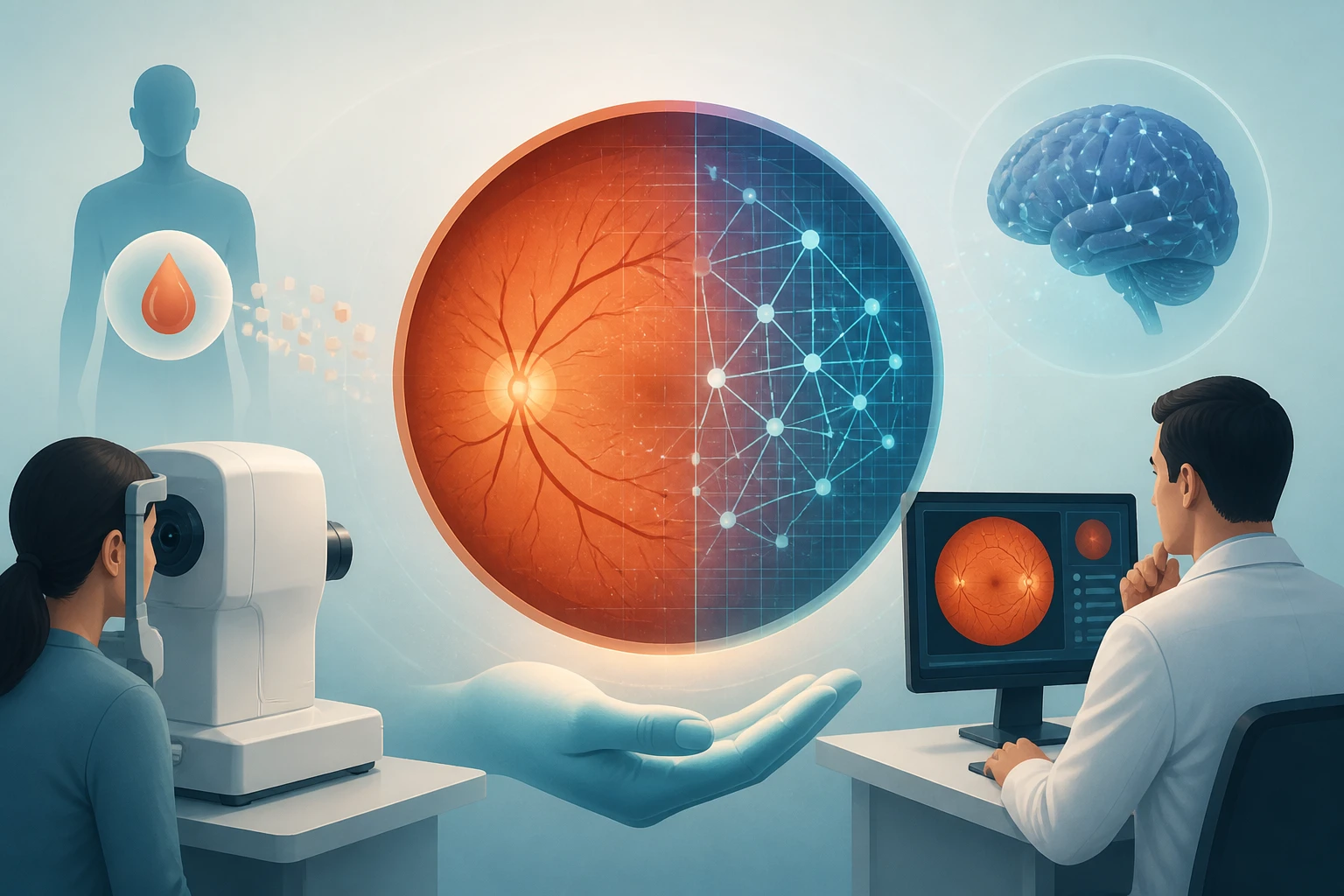
AI-Based Diabetic Retinopathy Detection Tool

Researchers developed an AI tool that detects diabetic retinopathy with 95% accuracy using simple retinal photographs, potentially preventing blindness in millions. The system costs ₹500 per screening versus ₹2,000-3,000 for specialist consultations, making early detection accessible in rural areas. With only 30% of Indian diabetics receiving regular eye screenings and 77 million cases nationally, this technology could democratize preventive eye care through primary healthcare workers and reduce treatment costs significantly.

AI-Based Diabetic Retinopathy Detection Tool
Oct 7, 2025

Your Office AC is Making You Diabetic (And Science Just Proved It)

A new AIIMS study reveals that over-cooled Indian offices (below 23°C) reduce metabolism by 20% and increase insulin resistance by 35%, causing workers to gain 4kg annually. Tech parks maintaining 18°C temperatures for servers are inadvertently creating diabetic conditions in employees. The metabolic slowdown occurs because bodies stop burning calories to generate heat in cold environments. With 600,000+ tech workers affected and diabetes treatment costing ₹10,000-15,000 monthly, this represents both a health crisis and economic burden requiring workplace temperature reforms.

Your Office AC is Making You Diabetic (And Science Just Proved It)
Oct 5, 2025

The Great Indian Passport Revolution Nobody's Talking About

India's new Orange Passport launching February 2024 costs ₹500 with 5-year validity, designed to boost tourism by encouraging frequent travel. Shorter validity periods create "use it or lose it" psychology, potentially increasing average trips from 2.3 to 3.8 per passport cycle. This strategy targets India's ₹28 billion tourism deficit while benefiting airlines and destinations expecting increased Indian travelers.

The Great Indian Passport Revolution Nobody's Talking About
Oct 1, 2025

Why Doctors are prescribing 'Food Medicines' instead of pills

Major hospitals are establishing "Culinary Medicine" departments where doctors prescribe specific foods instead of pills. Turmeric's curcumin matches ibuprofen's anti-inflammatory effects, while beetroot juice lowers blood pressure like medications but costs 90% less. Insurance companies embrace this cost-effective approach, with patients showing 30% better compliance. Big Pharma responds by investing billions in medical nutrition. This shift empowers young professionals to actively manage lifestyle diseases through evidence-based food prescriptions rather than depending solely on pharmaceuticals.

Why Doctors are prescribing 'Food Medicines' instead of pills
Sep 30, 2025

India's first Central Tissue Bank could save 500,000 lives annually

India's first Central Tissue Bank, inaugurated in New Delhi, could potentially save 500,000 lives annually by addressing the country's severe tissue shortage crisis. Currently, India has a tissue donation rate of just 0.5 per million population versus 40+ in advanced countries. The facility uses advanced cryopreservation technology and operates alongside a cashless V-Office system for dental services. This initiative creates new biotech career opportunities while promising faster, more accessible healthcare for young professionals and could serve as a model for nationwide expansion of similar facilities.

India's first Central Tissue Bank could save 500,000 lives annually
Sep 28, 2025

LSD Breakthrough: Psychedelics Enter Mainstream Mental Health Treatment

A clinical breakthrough shows LSD significantly improves generalized anxiety disorder after a single dose, potentially revolutionizing mental health treatment. The global psychedelics market is projected to reach $11.8 billion by 2029, with companies like Compass Pathways raising $146 million for research. Unlike daily medications, psychedelics offer durable therapeutic effects lasting weeks or months. However, implementation faces challenges including specialized clinical requirements, regulatory hurdles with Schedule I substances, and insurance coverage gaps. This represents a fundamental shift from prohibition-based policy toward evidence-based treatment, with major implications for healthcare systems and professional practice.

LSD Breakthrough: Psychedelics Enter Mainstream Mental Health Treatment
Sep 7, 2025

Why are Indian cities becoming unliveable faster than we can fix them?

Indian cities face an accelerating livability crisis as Mumbai, Delhi, and six other major cities will experience twice as many heatwaves by 2030 while accommodating 1.46 billion people. Urban heat islands, rapid population growth of 2.4% annually, and infrastructure debt create a perfect storm. While extreme heat days have increased 25% in the past decade, green building adoption remains under 5%. Policy fragmentation across 74 agencies slows solutions, forcing businesses to factor climate risk into location decisions and potentially reshaping India's economic geography.

Why are Indian cities becoming unliveable faster than we can fix them?
Aug 23, 2025

Why Your Morning Coffee Might Be Sabotaging Your Sleep (Even If You Drink It at 8 AM)

Morning coffee consumed as early as 8 AM can sabotage nighttime sleep due to caffeine's 5-6 hour half-life, leaving 25% still active 12 hours later. This disrupts sleep architecture by blocking adenosine receptors and reducing deep sleep phases by 20%. Young professionals aged 20-40 metabolize caffeine 25% slower, making them particularly vulnerable. Poor caffeine timing costs India's economy $138 billion annually in lost productivity. Companies like Google and TCS are implementing "coffee curfews" showing 23% improvement in employee sleep quality. The solution isn't eliminating caffeine but optimizing consumption timing – stopping intake before 11 AM can dramatically improve sleep without sacrificing morning energy benefits.

12 3 6 9 Z Z Morning Coffee vs Sleep
Aug 20, 2025

Why Your WhatsApp Addiction Might Be Rewiring Your Brain (And What Sleep Science Says About It)

Excessive WhatsApp use, particularly late-night scrolling, creates addiction-like neural pathways that mirror substance abuse patterns, literally rewiring the brain's reward system. Indians spend over 8 hours daily on social media, with 73% of young professionals experiencing "digital sleep displacement" where phone checking overrides natural sleep cycles. This costs Indian companies ₹1.2 trillion annually in reduced productivity. The dopamine-driven addiction cycle disrupts critical sleep phases needed for memory consolidation and emotional regulation. While companies like Microsoft and Infosys have seen 40% productivity boosts by limiting after-hours digital communication, the challenge lies in WhatsApp's dual role as both essential communication tool and addiction trigger. Solutions require treating digital addiction as seriously as substance dependency, with emerging technologies and corporate wellness programs pointing toward a future where digital health becomes as important as physical fitness.

Why Your WhatsApp Addiction Might Be Rewiring Your Brain (And What Sleep Science Says About It)
Aug 19, 2025

Why Mumbai's Air Quality Could Be Secretly Damaging Your Brain (Not Just Your Lungs)

Mumbai's air pollution poses a hidden threat beyond respiratory damage – it's secretly compromising the cognitive performance of working professionals. Fine particulate matter (PM2.5) crosses the blood-brain barrier, causing neuroinflammation that reduces decision-making abilities and memory by 10-15% over five years. With Mumbai's air quality exceeding WHO safety standards by 2-3 times, the city's 2.1 million professionals face a silent productivity crisis. Companies like TCS and Microsoft are quietly implementing air quality solutions, while insurance companies consider pollution in health premiums. The economic implications are massive for a city contributing 12% of India's GDP. Complex regulatory challenges involving multiple agencies make solutions difficult. As remote work normalizes, Mumbai risks brain drain to cleaner cities, potentially undermining its financial capital status. The cognitive impact could reshape Mumbai's economic trajectory, making air quality an urgent career and economic concern.

Why Mumbai's Air Quality Could Be Secretly Damaging Your Brain (Not Just Your Lungs)
Aug 18, 2025

Why Your Instagram Feed Might Be Making You Physically Sick (And It's Not What You Think)

Instagram isn't just affecting mental health—it's causing measurable physical illness through chronic stress-induced inflammation. Meta's algorithm creates intermittent variable reinforcement, keeping users in constant fight-or-flight mode. Research shows heavy users have elevated cortisol levels and inflammatory markers linked to cardiovascular disease and autoimmune disorders. The platform generates $117.9 billion annually by maximizing engagement time, creating a conflict between profits and user health. Companies like Salesforce and Unilever found correlations between Instagram usage and increased sick days among employees. Current regulations don't address algorithmic harm, but emerging EU frameworks may establish accountability. The average user spends 53 minutes daily on Instagram, experiencing repeated stress spikes. Healthcare systems are beginning to recognize technology-induced physical symptoms, with some providers now assessing social media usage in wellness checkups.

Why Your Instagram Feed Might Be Making You Physically Sick (And It's Not What You Think)
Aug 18, 2025