

Overview
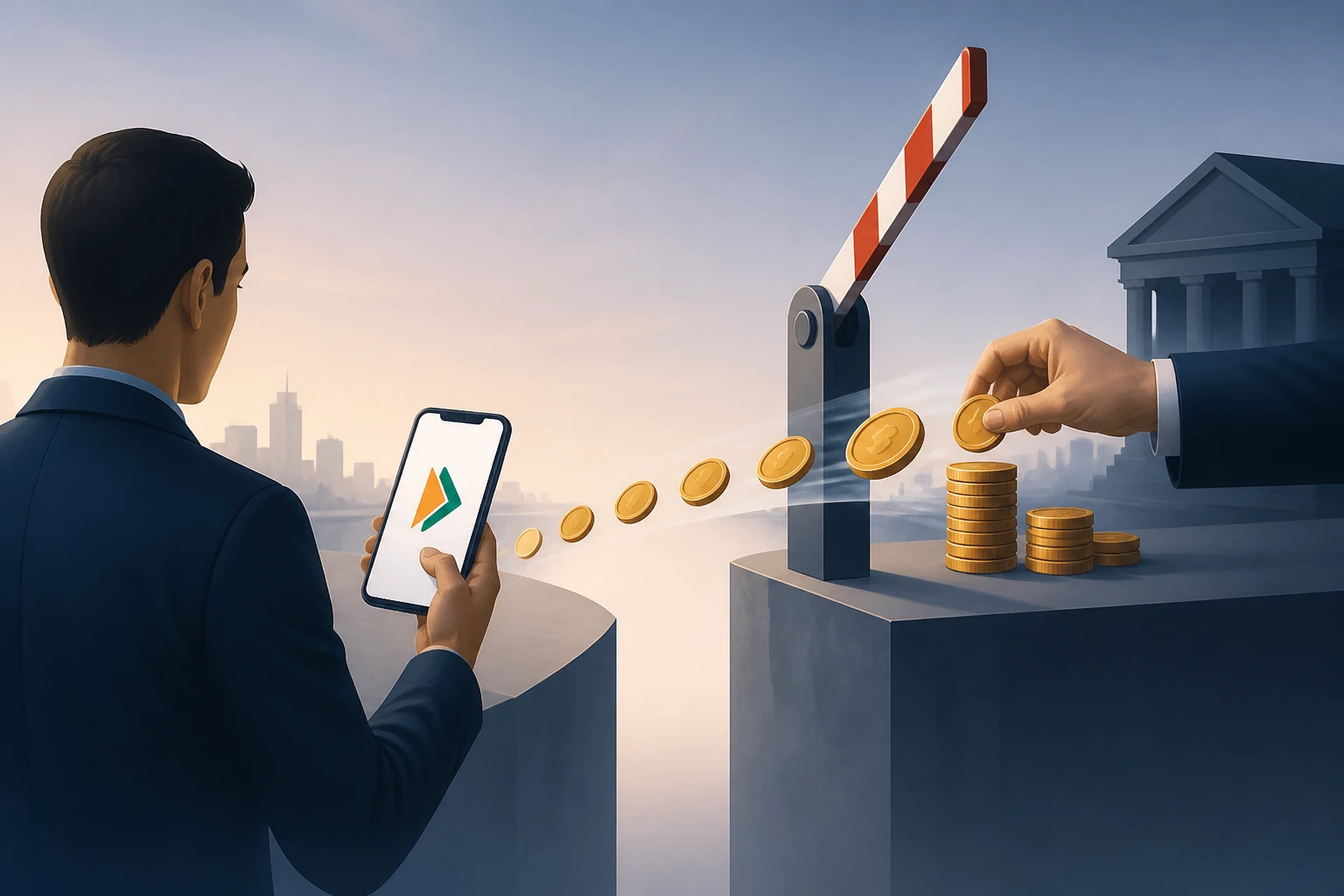
Picture this: You're at your favorite chai stall, ready to pay with a quick UPI scan as usual. But instead of the seamless ₹10 transaction you're used to, you now see an additional ₹2 charge. Multiply this across your daily coffee, lunch, groceries, and monthly rent – suddenly, your digital payment habit could cost you thousands extra per year. This scenario might soon become reality as the Reserve Bank of India (RBI) and the National Payments Corporation of India (NPCI) consider introducing charges for UPI transactions above certain thresholds. After years of free digital payments that transformed how young India spends money, the era of zero-cost convenience might be coming to an end. With over 10 billion UPI transactions processed monthly and the average young professional making 50+ digital payments per month, this potential change could fundamentally reshape our relationship with money.
The Problem
The current UPI ecosystem operates on a fascinating economic paradox – while users enjoy free transactions, someone is definitely paying the bills. Think of it like a lavish party where guests eat and drink for free, but the host (in this case, banks and payment companies) foots the entire bill. Banks currently absorb costs of approximately ₹3-5 per transaction for infrastructure, security, and processing, without passing these charges to consumers.
This model worked when UPI was nascent and needed adoption, but with India processing over 10 billion monthly transactions worth ₹15 lakh crores, the cumulative cost burden has become unsustainable. The government initially subsidized this ecosystem to drive financial inclusion and reduce cash dependency – a strategy that succeeded beyond expectations. However, as UPI transaction volumes grow at 50% annually, regulators are questioning whether continued free services are economically viable or if users should contribute to the infrastructure they extensively use.
Analysis
From an economic perspective, introducing UPI charges represents a classic case of market maturation. The freemium model served its purpose – India now has over 400 million UPI users, making it the world's largest real-time payment system. But free services create market distortions where actual costs remain hidden from end-users, leading to overconsumption and inefficient resource allocation.
Policy implications are equally complex. The government faces a delicate balancing act between fiscal responsibility and digital inclusion. Charging for UPI could generate substantial revenue – even a ₹2 fee per transaction could yield ₹20,000 crores annually. However, this might reverse the progress made in bringing unbanked populations into the formal financial system.
From a business standpoint, payment companies like Paytm, PhonePe, and Google Pay have built massive user bases without direct transaction revenue. These platforms currently monetize through merchant fees, lending, and financial services. Introducing consumer charges could level the playing field but might also reduce transaction volumes, impacting their broader business models.
Consumer behavior analysis suggests different demographic responses. While affluent urban users might absorb small transaction fees, price-sensitive rural populations could revert to cash payments. This bifurcation could create a digital divide where premium digital services become associated with economic privilege, contradicting the original inclusive vision of UPI.
Real-World Examples
China's WeChat Pay and Alipay provide relevant case studies. Both platforms initially offered free peer-to-peer transfers but gradually introduced charges for certain services. Alipay now charges 0.1% for transfers to bank accounts above ₹2,000, while maintaining free merchant payments. Despite initial user resistance, transaction volumes continued growing, suggesting that convenience often outweighs cost considerations.
European markets offer another perspective. Instant payment systems in Germany and Netherlands charge between €0.10-0.50 per transaction, yet maintain high adoption rates. However, these markets have different economic contexts and consumer expectations.
Industry experts present mixed views. Former NPCI Chairman Nandan Nilekani advocates for sustainable pricing models, while fintech leaders warn about potential impact on financial inclusion. Banking sector analysts suggest tiered pricing – free transactions up to certain monthly limits, with charges beyond thresholds. This approach could maintain accessibility while ensuring cost recovery for heavy users who can afford to pay.
The Challenge
Implementing UPI charges isn't simply about flipping a pricing switch. The technical infrastructure requires significant modifications to handle fee collection, distribution among stakeholders, and consumer notification systems. Regulatory frameworks must balance multiple objectives – cost recovery, financial inclusion, market competition, and consumer protection.
Political considerations add another layer of complexity. UPI's free nature has become associated with digital empowerment and government efficiency. Introducing charges could face public resistance and political opposition, especially during election cycles.
International competition also matters. As India positions itself as a global leader in digital payments, introducing consumer charges might affect the export potential of UPI technology to other countries. Nations considering adopting India's payment infrastructure might hesitate if the model appears unsustainable without subsidies.
The enforcement mechanism presents practical challenges. Unlike bank charges that can be automatically deducted, UPI transactions require explicit user consent, making fee collection more complex and potentially friction-inducing.
Future Implications
The UPI charging decision will likely establish precedents for other digital public goods. If users accept payment fees, it might pave the way for charges in other government digital services, fundamentally altering the relationship between citizens and digital infrastructure.
Fintech innovation could accelerate as companies develop premium services to justify transaction costs. We might see emergence of subscription-based payment models, where users pay monthly fees for unlimited transactions, similar to telecom plans.
Financial behavior patterns will evolve. Young professionals might become more conscious of transaction frequency, potentially consolidating multiple small payments into fewer larger ones. This could impact small merchants who benefit from impulse purchases enabled by frictionless payments.
Market consolidation appears likely. Smaller payment apps might struggle to justify their value proposition once transaction costs become visible to users. Established players with diversified revenue streams and strong brand loyalty will likely capture larger market shares.
The rural-urban divide in digital payment adoption might widen. Urban users with higher disposable incomes will likely continue using UPI despite charges, while rural populations might selectively revert to cash for smaller transactions.
Looking Ahead
The UPI charging debate fundamentally questions whether digital public infrastructure should operate like utilities with user fees or public goods funded through taxation. Your next chai purchase might cost ₹2 extra, but the real question is whether this price represents the true cost of convenience we've been enjoying for free. Will paying for UPI make us more mindful digital consumers, or will it simply add another line item to our monthly expenses?