

Overview
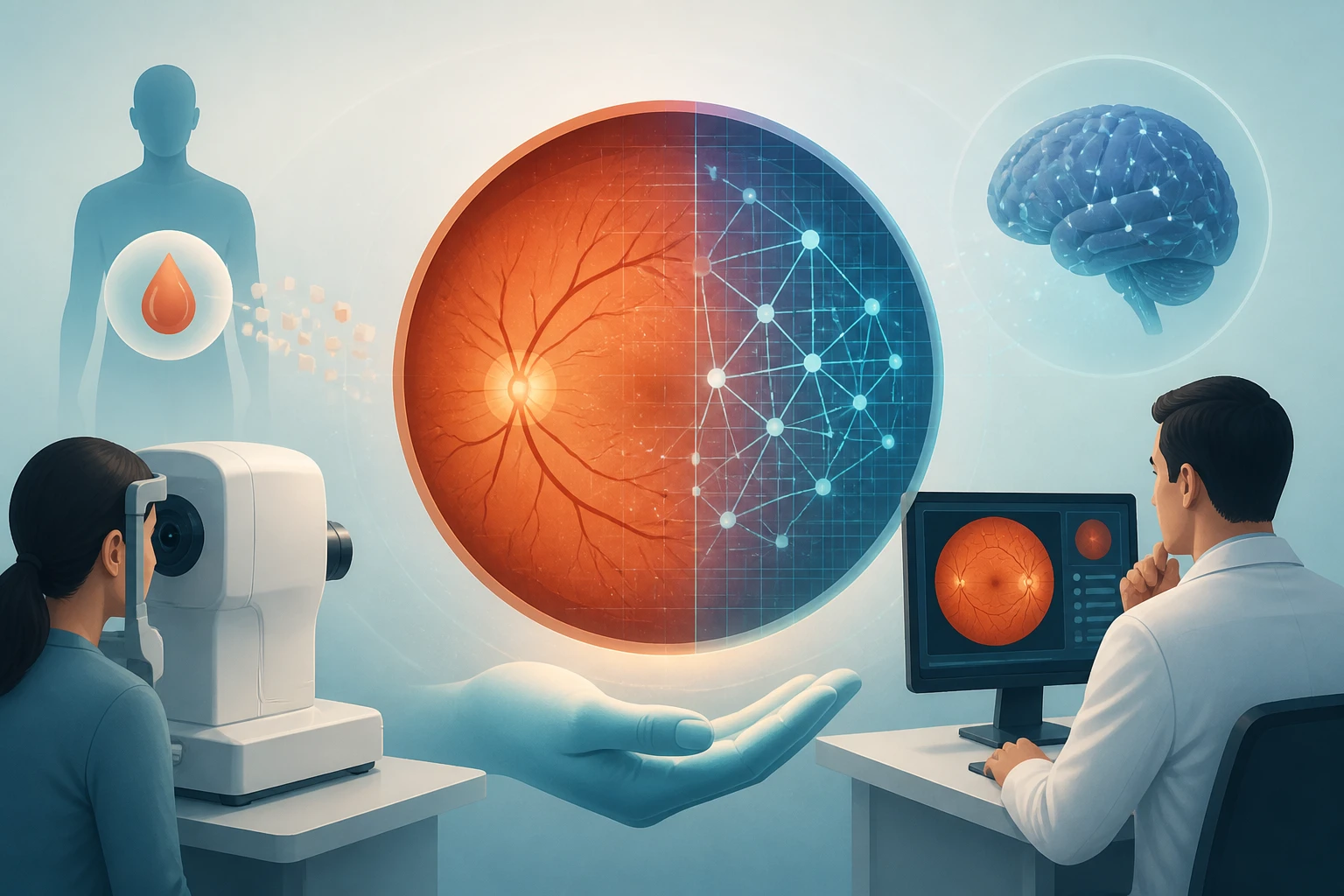
Diabetic retinopathy affects over 415 million diabetics worldwide, with India accounting for nearly 77 million cases. This condition, which damages blood vessels in the retina, is the leading cause of blindness among working-age adults. The cruel irony? It's entirely preventable with early detection. Yet most patients discover it too late because symptoms only appear in advanced stages. Now, researchers have developed an AI-powered diagnostic tool that can detect diabetic retinopathy with 95% accuracy using simple retinal photographs, potentially saving millions from preventable blindness.
Here's What's Happening
Traditional diabetic retinopathy screening requires specialized equipment and trained ophthalmologists who can spot subtle changes in retinal blood vessels. In India, we have roughly one ophthalmologist per 100,000 people – nowhere near enough for our diabetic population.
The new AI diagnostic system works like having a expert ophthalmologist in your pocket. It analyzes retinal photographs using deep learning algorithms trained on over 128,000 retinal images. The system can identify early-stage changes that human eyes might miss, classifying disease severity and recommending treatment timelines.
Several research institutions, including Google's DeepMind and the Indian Institute of Science, have successfully tested these tools in real-world settings across rural clinics.
Let's Break This Down
Think of diabetic retinopathy like a slow leak in your home's plumbing. Initially, you don't notice anything wrong, but damage accumulates behind the walls until suddenly you have a major flood. Similarly, high blood sugar gradually weakens retinal blood vessels, causing them to leak or become blocked.
The AI system works by recognizing patterns invisible to untrained eyes. It identifies microaneurysms (tiny bulges in blood vessels), hemorrhages, and exudates (protein deposits) – all early warning signs. The technology achieved remarkable results in clinical trials: 87% sensitivity for detecting referable diabetic retinopathy and 98% specificity in ruling out the disease.
Here's what makes this breakthrough significant: Early-stage diabetic retinopathy is 90% preventable with proper blood sugar control and timely laser treatment. But currently, only 30% of diabetic patients in India receive regular eye screenings due to limited access to specialists.
The AI tool costs approximately ₹500 per screening compared to ₹2,000-3,000 for traditional specialist consultations. For a country where 50 million people develop diabetes-related eye problems, this cost reduction is game-changing.
Remote areas benefit most dramatically. A single AI system can process hundreds of scans daily, with results available within minutes. Patients no longer need to travel to urban centers or wait months for specialist appointments.
The Bigger Picture
This development represents a fundamental shift in preventive healthcare delivery. Primary healthcare workers can now perform sophisticated diagnostic procedures previously requiring years of specialized training. Rural clinics equipped with basic cameras and AI software become capable of comprehensive diabetic eye care.
From a healthcare system perspective, early detection dramatically reduces treatment costs. Advanced diabetic retinopathy requires expensive surgeries and ongoing management, while early-stage intervention needs only medication adjustments and regular monitoring.
Insurance companies are taking notice too. HDFC ERGO and Star Health are exploring coverage for AI-based screenings, recognizing the long-term cost savings from preventing advanced complications.
However, challenges remain. Data privacy concerns, the need for regulatory approvals, and ensuring equitable access across socioeconomic groups require careful navigation.
What's Next?
The Indian government is piloting AI screening programs in Karnataka and Tamil Nadu, with plans for nationwide rollout by 2025. Private healthcare chains like Apollo and Fortis are integrating these tools into routine diabetic care protocols.
Future developments include smartphone-based screening using advanced camera attachments, making detection even more accessible. Combined with telemedicine platforms, this could transform diabetic care from reactive treatment to proactive prevention.
For India's young working population, this technology offers hope for aging parents and relatives with diabetes. More importantly, it demonstrates how artificial intelligence can democratize healthcare access, ensuring that geography no longer determines health outcomes. The race against preventable blindness just got a powerful new ally.