

Overview
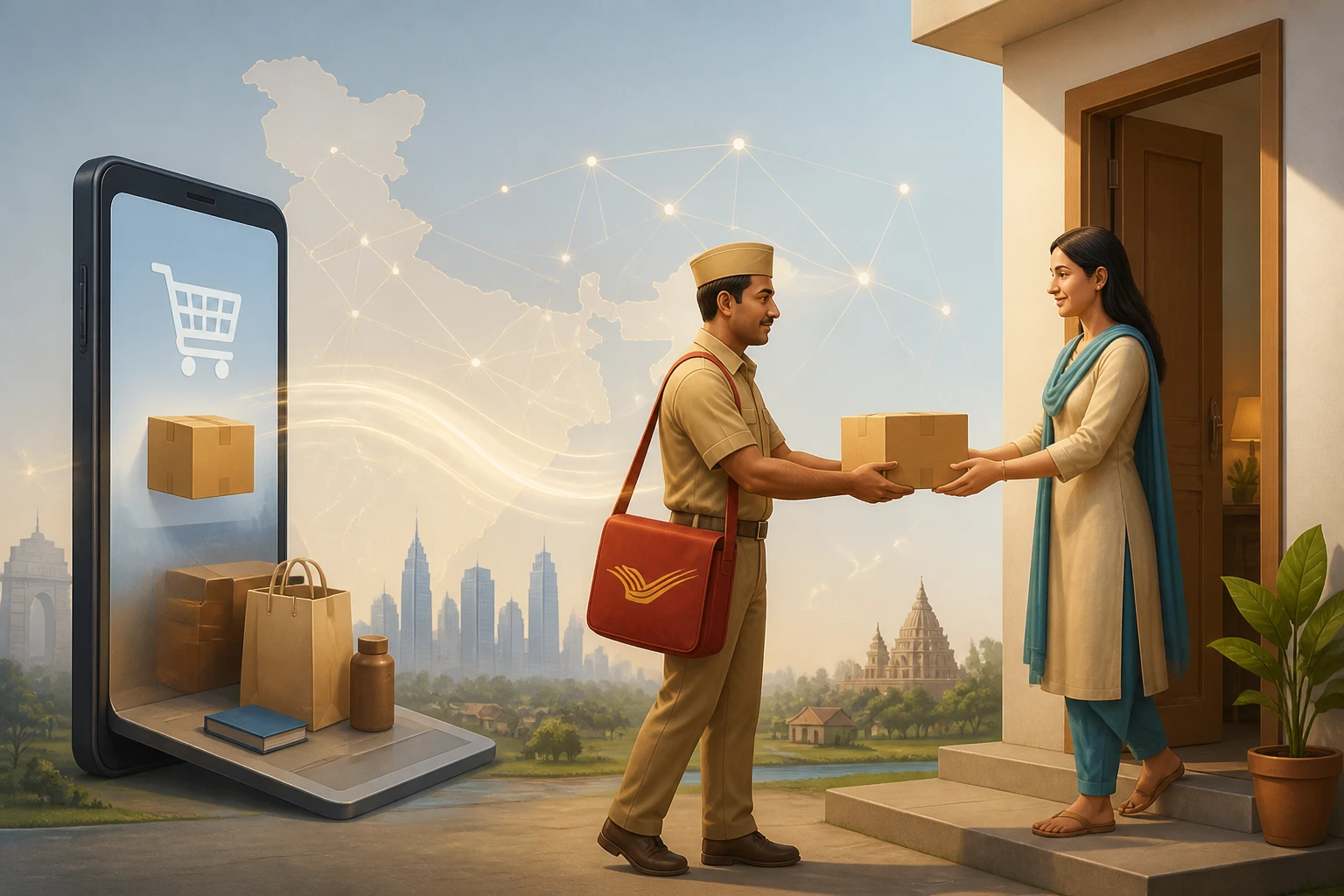
India Post, the country's largest postal network with over 155,000 post offices, has officially entered the e-commerce logistics space through the Open Network for Digital Commerce (ONDC). On January 13, 2026, the postal service received its first ONDC order and successfully delivered it two days later, marking a historic shift from traditional mail delivery to modern digital commerce logistics. This move transforms India's 236-year-old postal system into a competitive player in the country's booming e-commerce market, potentially disrupting the logistics landscape dominated by private players like Amazon, Flipkart, and Zomato.
Here's What's Happening
The landmark delivery represents more than just a single package changing hands. India Post has integrated its vast infrastructure with ONDC's digital platform, allowing customers to place orders through ONDC-enabled apps and have them delivered through the postal network. The successful completion of this first order demonstrates that India's traditional postal system can adapt to modern e-commerce demands.
ONDC, launched by the Indian government in 2022, aims to democratize e-commerce by creating an open protocol that allows small businesses to compete with large platforms. With India Post joining as a logistics partner, ONDC now has access to the world's largest postal network, reaching even the most remote corners of the country where private courier services often don't operate efficiently.
Let's Break This Down
Think of this integration like adding a massive highway system to an already existing network of local roads. India Post's infrastructure includes over 300,000 employees and delivery capabilities that reach 100% of India's pin codes – something even the largest private logistics companies struggle to achieve cost-effectively.
The numbers tell a compelling story. India's e-commerce market, valued at $70 billion in 2025, is expected to reach $350 billion by 2030. Currently, logistics costs account for 13-14% of India's GDP, compared to 7-8% in developed countries. India Post's entry could significantly reduce these costs, especially for last-mile delivery in rural areas where 68% of India's population still resides.
Here's where it gets interesting for businesses and consumers. Private logistics companies typically charge ₹40-80 per delivery in urban areas and often refuse deliveries to remote locations. India Post, with its existing infrastructure and government backing, could offer deliveries at ₹20-40 while maintaining universal coverage. This pricing advantage stems from their fixed costs already being covered through traditional postal services.
For small businesses, this development is particularly significant. A local artisan in Rajasthan or a handicraft maker in Assam can now access the same logistics network that was previously dominated by large corporations. The ONDC-India Post combination essentially levels the playing field, allowing these businesses to compete nationally without the hefty logistics investments typically required.
The Bigger Picture
This move signals a broader transformation in India's approach to digital commerce. By leveraging India Post's existing infrastructure, the government is essentially subsidizing e-commerce logistics to promote inclusive growth. This strategy could reduce the dominance of foreign-funded e-commerce giants and strengthen domestic businesses.
For working professionals, especially those in tier-2 and tier-3 cities, this development means better access to products and services. It also creates new employment opportunities, as India Post will likely need to hire additional staff and upgrade its technology systems to handle increased e-commerce volumes.
The integration also positions India uniquely in the global e-commerce landscape. While countries like China built their e-commerce infrastructure from scratch, India is retrofitting its existing postal network – a model that other developing nations might replicate.
However, challenges remain. India Post must upgrade its tracking systems, improve delivery speed expectations, and train staff for e-commerce-specific requirements. The success of this initiative will depend on how quickly these operational improvements can be implemented.
What's Next?
The successful completion of the first ONDC delivery is just the beginning. Industry experts predict that India Post could capture 15-20% of the e-commerce logistics market within three years, given its cost advantages and reach.
Watch for increased competition in logistics pricing, improved delivery services in rural areas, and more small businesses joining e-commerce platforms. This development could accelerate India's goal of reaching a $1 trillion digital economy by 2025-26.
For consumers and businesses alike, India Post's e-commerce entry represents a democratization of digital commerce – making online buying and selling accessible, affordable, and available everywhere.