

Overview
Imagine your company's board voting to replace the CEO, but the outgoing leader refuses to leave, claims the vote was rigged, and convinces half the employees the election was fraudulent. Sounds absurd? Yet this scenario is playing out in democracies worldwide. From Donald Trump's 2020 election challenges to Jair Bolsonaro's refusal to accept defeat in Brazil, democratic norms that once seemed unshakeable are crumbling. This isn't just a political crisis—it's an economic and business stability nightmare. When electoral integrity becomes questionable, international partnerships falter, trade agreements hang in limbo, and the predictable governance framework that businesses depend on for long-term planning starts to disintegrate. For working professionals navigating global markets, understanding this democratic erosion isn't academic—it's essential for anticipating market volatility and strategic planning.
The Problem
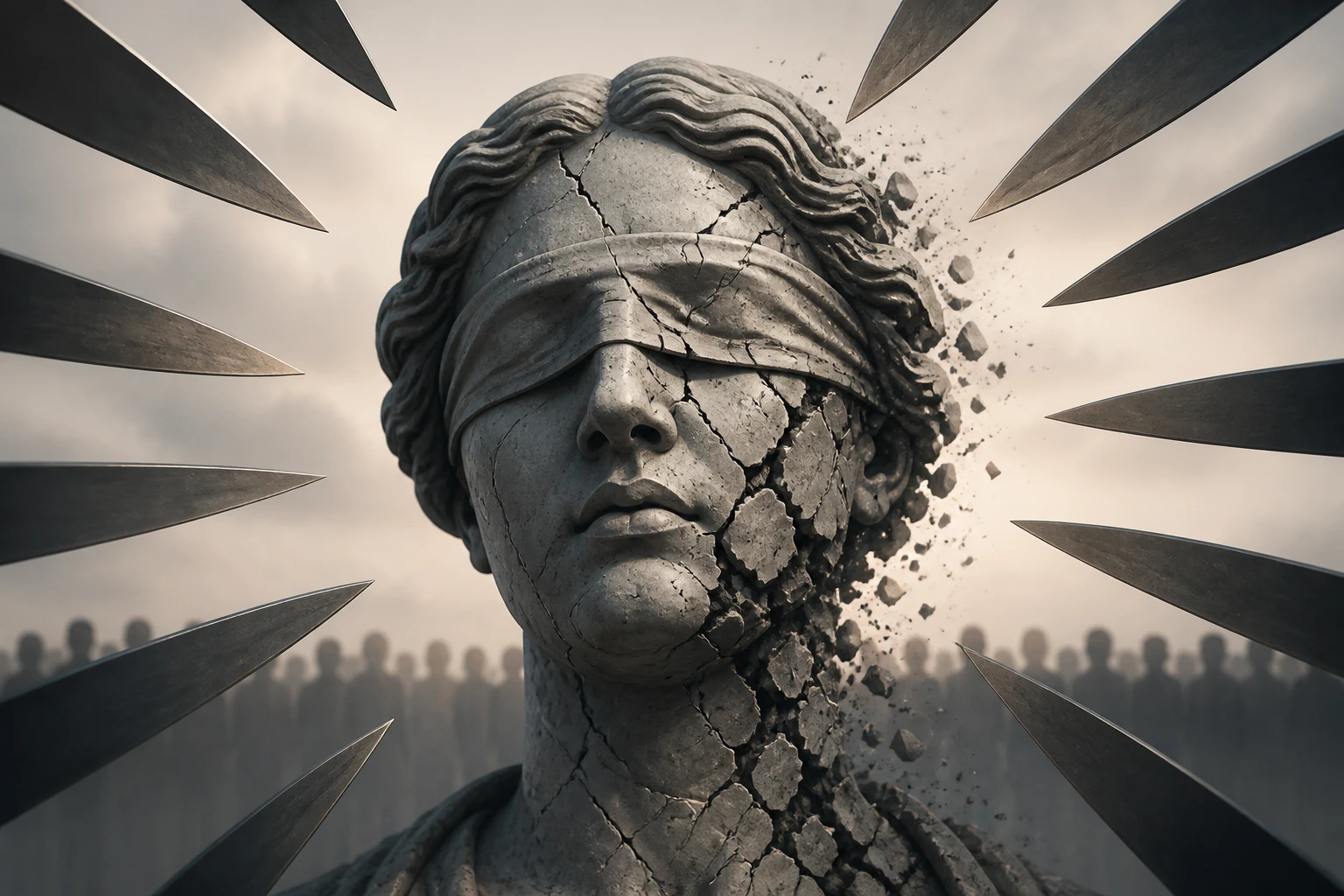
Democracy isn't dying in dramatic coups anymore—it's experiencing what scholars call "death by a thousand cuts." Think of it like a building's foundation slowly cracking. Each individual crack seems minor, but collectively, they threaten the entire structure. Freedom House reports that global freedom has declined for 16 consecutive years, with 38 countries experiencing net declines in democratic rights versus only 12 showing improvements in 2022. The symptoms are everywhere: misinformation campaigns that poison public discourse, voter suppression tactics disguised as election security, and authoritarian leaders systematically weakening judicial independence and press freedom. Unlike historical democratic collapses that happened overnight, today's erosion is subtle, legal, and often popular among certain segments of the population. This makes it harder to recognize and even harder to combat effectively.
Analysis
The economic implications of democratic backsliding are staggering. Research from Harvard Business School shows that countries experiencing democratic erosion see 15-20% higher political risk premiums on international investments. When electoral outcomes become unpredictable or contested, businesses can't plan beyond the next election cycle. Trade agreements negotiated with one administration might be scrapped by the next, creating massive uncertainty in global supply chains.
From a policy perspective, democratic erosion creates a vicious cycle. Polarized societies elect more extreme leaders who further polarize institutions. Brazil's 2022 election saw Bolsonaro's supporters storming government buildings, directly mirroring January 6th events in the US. This cross-border contagion of anti-democratic tactics creates a global playbook for authoritarianism.
Business implications extend beyond simple market volatility. Companies face pressure to take political stances, risking backlash from polarized consumer bases. ESG investing becomes complicated when governments actively undermine environmental regulations or social programs. International partnerships require new risk assessments—what happens to your joint venture if your partner country slides into authoritarianism? The rule of law, fundamental to contract enforcement and intellectual property protection, becomes increasingly unreliable in degraded democratic environments.
Real-World Examples
Hungary's Viktor Orbán provides a masterclass in legal authoritarianism. Since 2010, his party has systematically captured media outlets, packed courts with loyalists, and rewritten election laws—all while maintaining the facade of democracy. Hungarian GDP growth has lagged EU averages by 2-3 percentage points annually as international investors grew wary of unpredictable governance.
Corporate responses vary dramatically. Disney faced massive backlash for opposing Florida's education legislation, while Twitter's transformation under Elon Musk reflects broader debates about platform governance and free speech. Some multinational corporations are developing "democracy clauses" in partnerships, allowing contract termination if partner countries slide toward authoritarianism. McKinsey & Company research indicates that 68% of global executives now consider political stability a primary factor in market entry decisions, up from 34% in 2015.
The Challenge
Why can't we simply strengthen democratic institutions? The challenge lies in democracy's fundamental paradox: it requires citizens to voluntarily accept outcomes they disagree with. Regulatory frameworks designed for good-faith actors become inadequate when leaders explicitly reject democratic norms. Courts can't force legitimacy, and constitutional protections mean little when the constitution itself is under attack. International intervention risks being labeled foreign interference, while domestic solutions require the very consensus that democratic erosion destroys.
Future Implications
For working professionals, this democratic crisis demands new strategic thinking. Supply chain diversification becomes essential as political risks multiply. Investment strategies must account for governance premiums that traditional models ignored. Career planning increasingly requires considering political stability—that dream international assignment might become a liability if the host country slides toward authoritarianism.
The next decade will likely see further bifurcation between stable democracies and increasingly authoritarian states. Trade relationships, regulatory cooperation, and talent mobility will increasingly follow ideological lines rather than purely economic logic. Companies will face pressure to choose sides in ways that seemed unimaginable just a decade ago.
Looking Ahead
The question isn't whether democratic erosion will continue—it's whether the remaining democratic institutions can adapt fast enough to survive. For professionals building careers in an interconnected world, understanding these dynamics isn't optional. Your next promotion might depend on navigating political instability that previous generations never faced. Are you prepared for a world where democratic stability becomes a luxury rather than a given?