

Overview
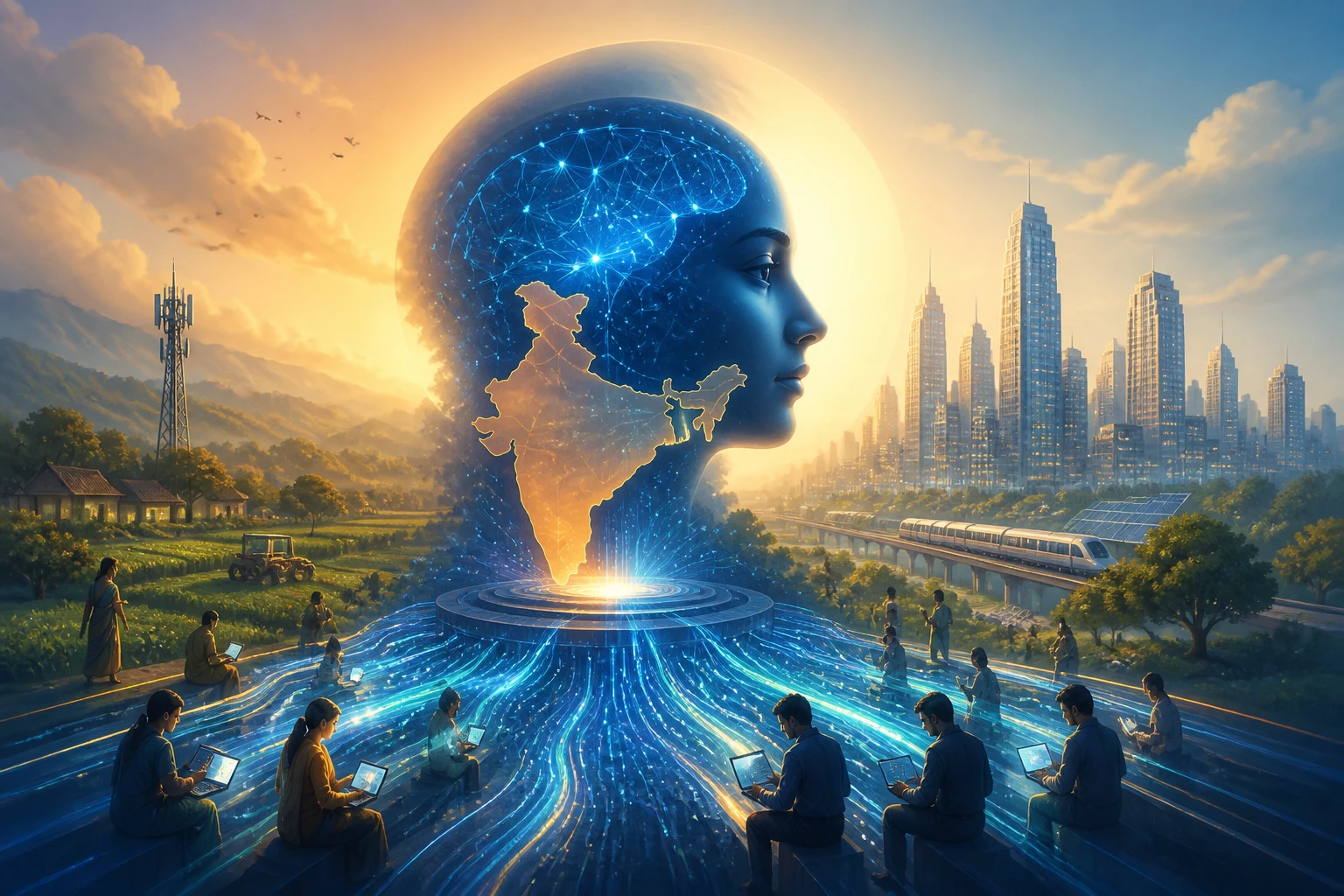
Imagine if your neighborhood suddenly became the hottest real estate destination, with billionaires lining up to build their dream homes. That's essentially what's happening to India right now, except instead of luxury mansions, we're talking about AI infrastructure and data centers. Between 2023 and 2025, tech giants like Amazon, Google, Microsoft, Meta, and Apple have collectively committed tens of billions of dollars to India's digital transformation. OpenAI is even scouting for local partners to build a massive 1-gigawatt data center – enough to power a small city. This isn't just investment; it's a digital gold rush.
The Problem
India faces a unique challenge: it's simultaneously the world's most populous country and one of its fastest-growing digital economies, yet it lacks the advanced AI infrastructure needed to support this growth. While India produces some of the world's best software engineers, most cutting-edge AI development has historically happened in Silicon Valley or China. The country needed massive investments in data centers, cloud infrastructure, and AI talent to avoid being left behind in the global AI revolution. Traditional infrastructure development would take decades, but India's Digital India initiative created the perfect storm of opportunity and necessity.
Analysis
This investment wave represents a fundamental shift in global AI strategy. Tech giants aren't just viewing India as a market anymore – they're positioning it as a critical development hub. The numbers are staggering: Google committed $10 billion through its digitization fund, while Microsoft pledged $2.1 billion specifically for AI and cloud infrastructure in 2024.
From an economic perspective, this creates a multiplier effect. Each dollar invested in AI infrastructure typically generates $3-5 in economic value through job creation, innovation, and productivity gains. For working professionals, this means unprecedented opportunities in AI, cloud computing, and data science roles.
The policy implications are equally significant. India's government has streamlined regulations for data centers and created AI-friendly policies that attracted this investment. The country's data localization requirements actually worked in its favor, forcing global companies to build local infrastructure rather than serve Indian users from distant servers.
Business-wise, India offers the perfect combination of skilled talent, cost efficiency, and market access. It's like finding a location that's simultaneously a gold mine and a jewelry manufacturing hub – you can extract value and create products in the same place.
Real-World Examples
Amazon Web Services is building multiple data center regions across India, with investments exceeding $4.4 billion by 2030. Google's Pune and Delhi cloud regions represent over $2 billion in infrastructure spending. Microsoft's three data center regions in Mumbai, Chennai, and Pune serve not just India but the entire South Asian market.
Meta has invested heavily in AI research labs in Bangalore and Hyderabad, employing over 4,000 engineers focused on AI development. Apple quietly expanded its operations, with over 1 million developers now part of its iOS ecosystem in India – more than any other country except the US.
The OpenAI data center initiative represents the next evolution: not just serving the Indian market, but making India a global AI compute hub. Industry experts suggest this could position India alongside the US and China as one of the world's three AI superpowers.
The Challenge
However, building AI infrastructure isn't like constructing a factory. It requires specialized talent, reliable power grids, and robust internet connectivity – areas where India still faces gaps. Power availability remains inconsistent in many regions, and skilled AI engineers command premium salaries, creating talent shortages.
Regulatory complexity adds another layer of difficulty. Data privacy laws, foreign investment regulations, and state-level policies vary significantly. Environmental concerns around energy-intensive data centers also pose challenges, especially as India commits to carbon neutrality by 2070. Companies must balance rapid expansion with sustainability goals, making infrastructure decisions increasingly complex.
Future Implications
This investment wave positions India as a global AI powerhouse, potentially creating 10-15 million AI-related jobs by 2030. For working professionals, this means career opportunities that didn't exist five years ago. Skills in machine learning, cloud architecture, and data engineering will become as valuable as software development skills were in the 2000s.
The geopolitical implications are profound too. As US-China tech tensions continue, India emerges as a neutral, democratic alternative for global AI development. This could reshape everything from supply chains to international AI standards.
Looking Ahead
India's AI revolution isn't just changing technology – it's redefining global innovation geography. Will India become the world's AI factory, or will infrastructure challenges slow this momentum?