

Overview
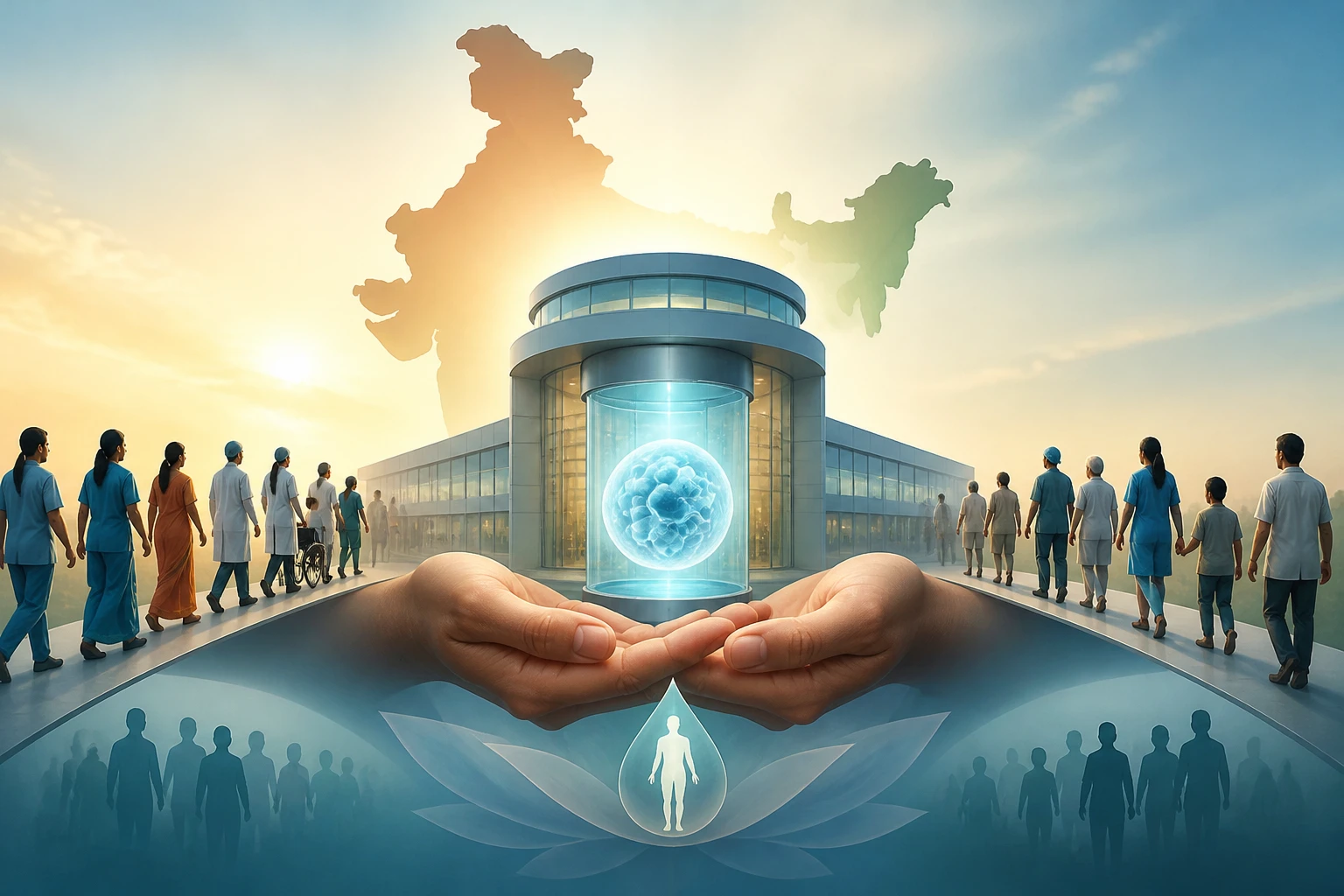
Imagine if 500,000 lives could be saved every year with a single medical innovation. That's not science fiction—it's the potential reality that India's first Central Tissue Bank promises to deliver. When Delhi Health Minister Dr. Pankaj Kumar Singh inaugurated this groundbreaking facility at the Maulana Azad Institute of Dental Sciences (MAIDS) in New Delhi, he wasn't just cutting a ribbon. He was potentially opening the door to a medical revolution that could transform how we approach tissue transplantation and regenerative medicine in India.
Here's What's Happening
The Central Tissue Bank represents a massive leap forward in India's healthcare infrastructure. Unlike traditional blood banks that most of us are familiar with, tissue banks store and preserve various types of human tissues—think skin grafts for burn victims, bone tissues for orthopedic surgeries, and heart valves for cardiac procedures.
Currently, India faces a severe shortage of transplantable tissues. Patients often wait months or years for suitable matches, and many don't survive the wait. The new facility aims to streamline tissue collection, processing, and distribution across the country, creating a centralized system that could dramatically reduce waiting times.
Alongside the tissue bank, Dr. Singh also launched a cashless V-Office (Virtual Office) for the Delhi Dental Council (DDC)—a digital platform designed to make dental healthcare services more accessible and efficient for millions of Indians.
Let's Break This Down
To understand the significance of this development, consider this analogy: if hospitals were restaurants, tissues would be the ingredients. Currently, most Indian hospitals are like restaurants that have to grow their own vegetables—inefficient, time-consuming, and often unsuccessful.
The Central Tissue Bank changes this equation entirely. It acts like a sophisticated supply chain, ensuring that when a surgeon needs specific tissue for a life-saving procedure, it's available, properly tested, and ready to use.
Here's where the numbers get impressive. India currently has a tissue donation rate of less than 0.5 per million population, compared to countries like Spain, which boasts over 40 per million. This gap translates directly into lives lost—particularly affecting working professionals aged 25-40 who are most likely to suffer from accidents, burns, or conditions requiring tissue transplants.
The new facility employs advanced cryopreservation technology, which can store tissues at ultra-low temperatures for extended periods. For context, properly stored bone tissue can remain viable for up to 5 years, while heart valves can be preserved for 10 years. This longevity means better inventory management and reduced wastage.
The V-Office component addresses another critical challenge: accessibility. Currently, over 60% of dental procedures in India require multiple visits to regulatory offices for approvals and documentation. The virtual platform could reduce this to a single online interaction, saving both time and money for patients and practitioners.
The Bigger Picture
This initiative reflects India's broader push toward digitization and healthcare modernization. For young professionals, particularly those in metro cities, this development has multiple implications.
From a career perspective, the tissue bank will create new job opportunities in biotechnology, laboratory sciences, and healthcare logistics. The field of tissue engineering is expected to grow at a CAGR of 14.2% globally, and India's entry into centralized tissue banking positions it to capture a significant share of this market.
For healthcare consumers—essentially all of us—this means potentially faster, more affordable access to advanced treatments. Insurance companies are also watching closely, as streamlined tissue availability could reduce claim payouts by minimizing extended hospital stays and repeat procedures.
The Delhi Dental Council's V-Office serves as a pilot for similar digital transformations across other medical councils, potentially revolutionizing how healthcare services are regulated and delivered nationwide.
What's Next?
The success of India's first Central Tissue Bank will likely determine the pace of similar facilities across other states. Early indicators suggest the government is committed to scaling this model, with plans for regional tissue banks in Mumbai, Bangalore, and Chennai already under discussion.
For working professionals, this development represents more than just improved healthcare—it's a glimpse into India's evolving medical landscape. As tissue banking technology matures and V-Office platforms expand, we're looking at a future where quality healthcare is more accessible, efficient, and digitally integrated than ever before.
The 500,000 lives figure isn't just a statistic—it represents half a million families who might not have to experience the tragedy of losing a loved one due to unavailable medical resources.