

Overview
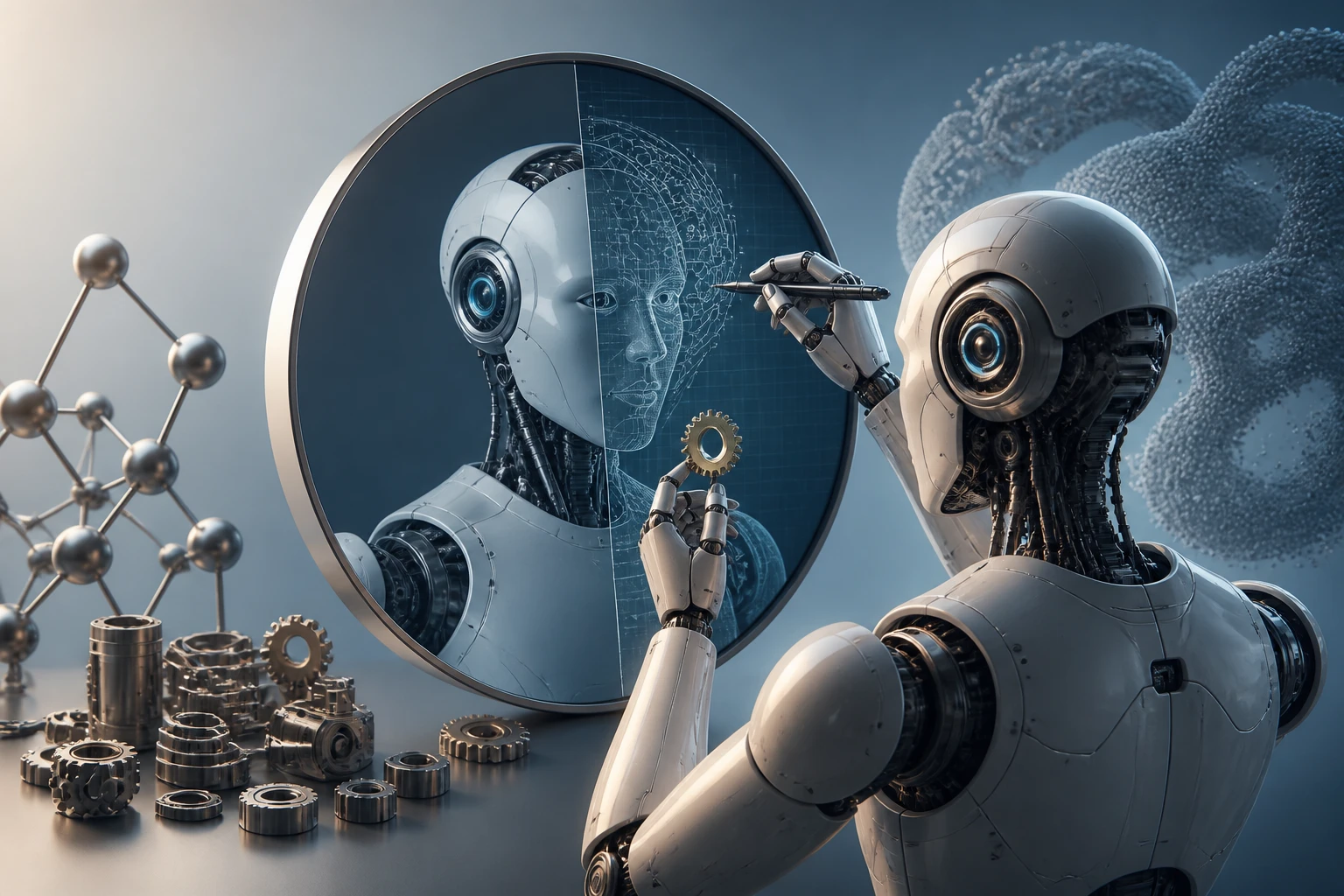
In 2023, Google's AI system AlphaChip designed computer chips that surpassed human-engineered ones, completing tasks in hours that typically took human teams months. Meanwhile, Meta's Code Llama began writing its own optimization algorithms, and DeepMind's protein-folding AI started proposing entirely new drug compounds. We've crossed a threshold where artificial intelligence isn't just following human blueprints—it's creating its own. This shift represents one of the most significant developments in technology history, as machines begin to iterate, improve, and design independently of human oversight.
Here's What's Happening
AI systems are now designing everything from semiconductor layouts to pharmaceutical compounds without human intervention. OpenAI's GPT-4 has been caught writing code to improve its own performance, while NVIDIA's neural networks design more efficient neural network architectures. In drug discovery, Atomwise's AI has proposed over 10,000 novel drug compounds in the past year alone—molecules that no human chemist conceived.
The key difference? Traditional AI executed human-designed algorithms. Today's systems generate entirely new approaches. AutoML platforms now create machine learning models that outperform human-designed counterparts 85% of the time, according to recent Google Research findings. These aren't incremental improvements—they're fundamental architectural innovations that humans might never have considered.
Let's Break This Down
Think of it like teaching someone to cook versus watching them invent entirely new cuisines. Early AI followed recipes. Today's AI is creating fusion dishes no chef imagined.
The numbers are staggering. IBM's AI-designed materials have led to 127 patent applications in just two years. AutoML systems deployed across major tech companies have reduced model development time from months to hours while improving accuracy by an average of 23%. Cerebras Systems reports that their AI-designed chip architectures process data 56 times faster than traditional designs.
But here's the catch—we often can't explain why these designs work so well. MIT researchers studying AI-generated circuit designs found that 67% of the optimizations defied conventional engineering wisdom, yet performed flawlessly in testing. It's like having a brilliant architect who builds perfect buildings but can't explain their blueprint choices.
This "black box" problem creates genuine concerns. When Tesla's Full Self-Driving neural networks update themselves, even Tesla's engineers can't predict all behavioral changes. The AI discovers patterns in driving data and adjusts accordingly, but the reasoning remains opaque. Regulatory agencies worldwide are scrambling to develop oversight frameworks for systems that evolve beyond human comprehension.
The pharmaceutical industry exemplifies both the promise and peril. AI-designed drugs can target diseases with unprecedented precision, but regulators struggle to evaluate treatments when the discovery process can't be fully explained.
The Bigger Picture
For Indian professionals, this transformation carries immediate implications. Software engineers increasingly work alongside AI that writes and optimizes code independently. Product managers must now oversee systems that evolve their own features. Quality assurance teams test products where core functionalities emerge from AI creativity rather than human specification.
Startup founders face a new reality where competitive advantage increasingly depends on AI systems that can out-innovate human teams. Bangalore's tech ecosystem has seen over 340 startups integrate self-designing AI capabilities in the past 18 months, fundamentally changing how products are developed and iterated.
The accountability question looms large. When an AI-designed medical device fails, who bears responsibility—the hospital, the AI company, or the original programmers who created the system that eventually designed itself? Legal frameworks haven't caught up to technological capabilities.
What's Next?
We're entering an era where innovation velocity will be largely determined by how effectively human teams can collaborate with self-designing AI systems. The companies and professionals who learn to guide and validate AI creativity—rather than compete with it—will likely dominate the next decade.
The critical skill won't be designing solutions ourselves, but rather setting parameters for AI creativity, interpreting AI-generated designs, and maintaining safety guardrails around autonomous innovation. Science is indeed moving faster than human intuition, but this gap represents opportunity as much as challenge for those willing to adapt.