

Overview
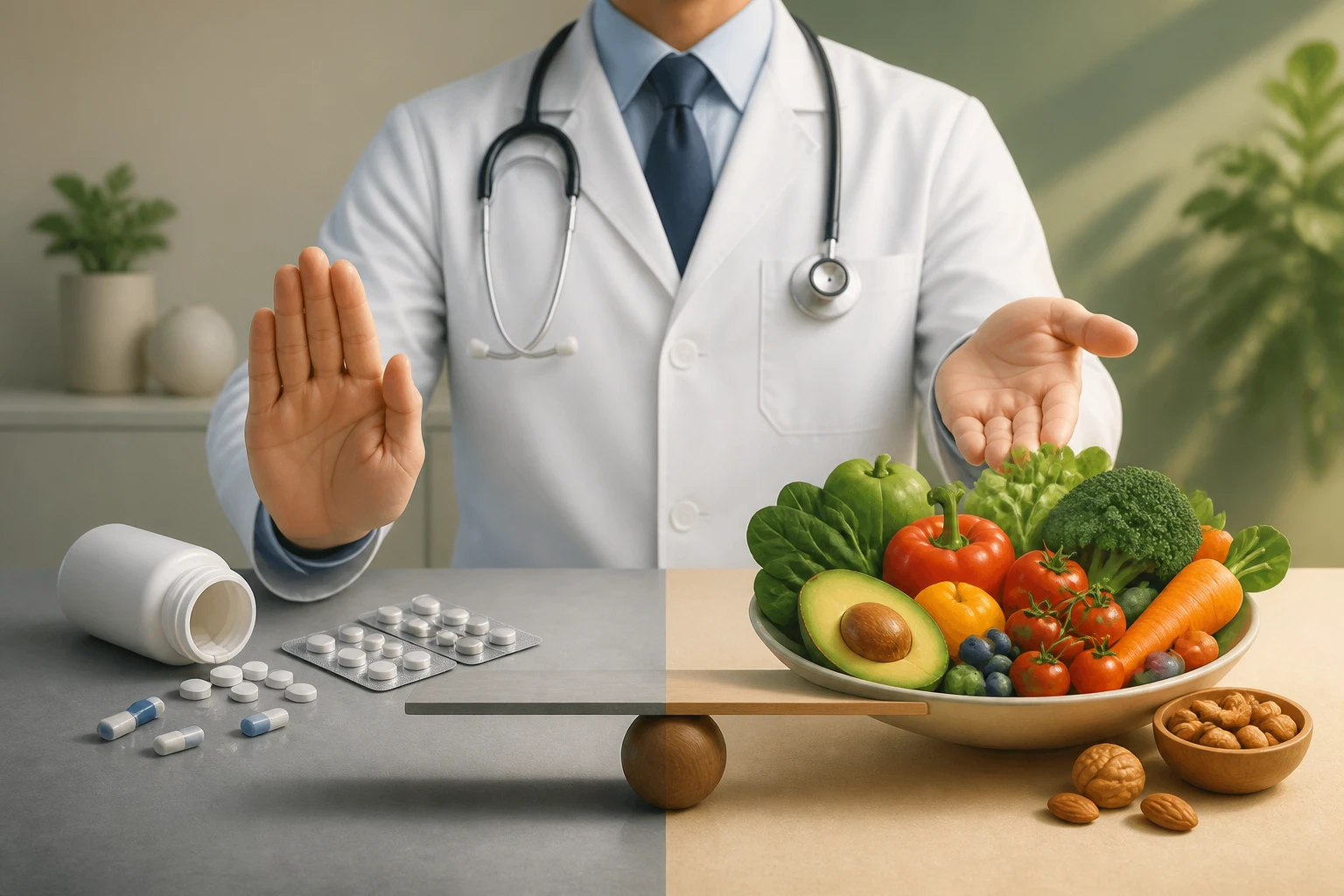
Imagine walking into a hospital and leaving with a prescription that reads: "Take 500mg of turmeric twice daily with meals" instead of "Take ibuprofen as needed." This isn't some alternative medicine fantasy – it's happening right now in major hospitals across the globe. Culinary Medicine departments are popping up faster than new restaurants in Bandra, and they're fundamentally changing how we think about healthcare. Your grandmother's kitchen remedies are suddenly getting medical degrees, and the pharmaceutical industry is watching nervously from the sidelines.
Here's What's Happening
Major hospitals are establishing dedicated Culinary Medicine programs where doctors literally prescribe food as medicine. Tulane University School of Medicine launched one of the first programs in 2012, and now over 40 medical schools across the US have similar initiatives. The concept is simple yet revolutionary: instead of reaching for synthetic drugs, doctors are prescribing specific foods with scientifically proven therapeutic effects.
Take curcumin from turmeric – studies show it's as effective as ibuprofen for reducing inflammation, without the gastrointestinal side effects. Beetroot juice contains nitrates that can lower blood pressure as effectively as some medications. Dark chocolate (yes, really) contains flavonoids that improve cardiovascular health better than many supplements. These aren't folk remedies anymore – they're evidence-based interventions with clinical trials backing them up.
Let's Break This Down
The economics behind this shift are fascinating. A month's supply of blood pressure medication can cost anywhere from ₹2,000 to ₹8,000, while the equivalent therapeutic dose of beetroot juice costs roughly ₹500. Insurance companies, always looking for ways to reduce costs without compromising care, are embracing this trend with open arms.
Blue Cross Blue Shield, one of America's largest insurers, now covers nutritional counseling and even provides subsidies for fresh produce purchases for certain conditions. The math is simple: preventing diabetes with dietary intervention costs about ₹50,000 annually, while treating it with medications and complications runs into lakhs.
But here's where it gets interesting for working professionals. Think of your body like a smartphone – you can either fix problems as they arise (reactive maintenance) or optimize performance from the start (preventive care). Culinary medicine is essentially giving your body a continuous software update through what you eat.
Dr. Timothy Harlan from Tulane explains it perfectly: "We're not replacing emergency medicine with carrots. We're preventing the emergency in the first place." The data supports this approach – patients following food-as-medicine protocols show 30% better compliance than those on traditional medications, simply because eating feels more natural than popping pills.
Big Pharma companies are responding in two ways: some are panicking, others are adapting. Nestlé Health Science invested over $2.8 billion in developing medical nutrition products, while traditional pharmaceutical companies are watching their market share in chronic disease management slowly erode.
The Bigger Picture
This shift represents a fundamental change in healthcare philosophy. For young professionals dealing with lifestyle diseases – diabetes, hypertension, chronic inflammation from stress – this approach offers something pills can't: empowerment. Instead of being dependent on medications, you become an active participant in your healing process.
Corporate wellness programs are taking notice too. Google and Microsoft now have on-site nutritionists who work alongside medical staff to create personalized food prescriptions for employees. The ROI is compelling: every rupee invested in employee nutrition programs returns ₹3-6 in reduced healthcare costs and improved productivity.
However, skeptics raise valid concerns. Food prescriptions require more time, education, and behavioral change than traditional medications. Not every condition can be treated with diet alone, and there's a risk of people avoiding necessary medical treatment in favor of food-only approaches.
What's Next?
The future of healthcare is likely hybrid – combining the best of both worlds. Personalized nutrition based on genetic testing, gut microbiome analysis, and AI-driven food recommendations are already in development. Startups like Zoe are creating personalized nutrition programs that predict how your body will respond to different foods.
For young Indians, this trend couldn't come at a better time. Our traditional cuisine already contains many therapeutic ingredients – turmeric, ginger, garlic, bitter gourd – that are now being validated by modern science. The key is approaching food with the same rigor we approach medicine: right dosage, right timing, right combinations.
Your kitchen might not replace your pharmacy entirely, but it's certainly becoming your first line of defense against lifestyle diseases.