

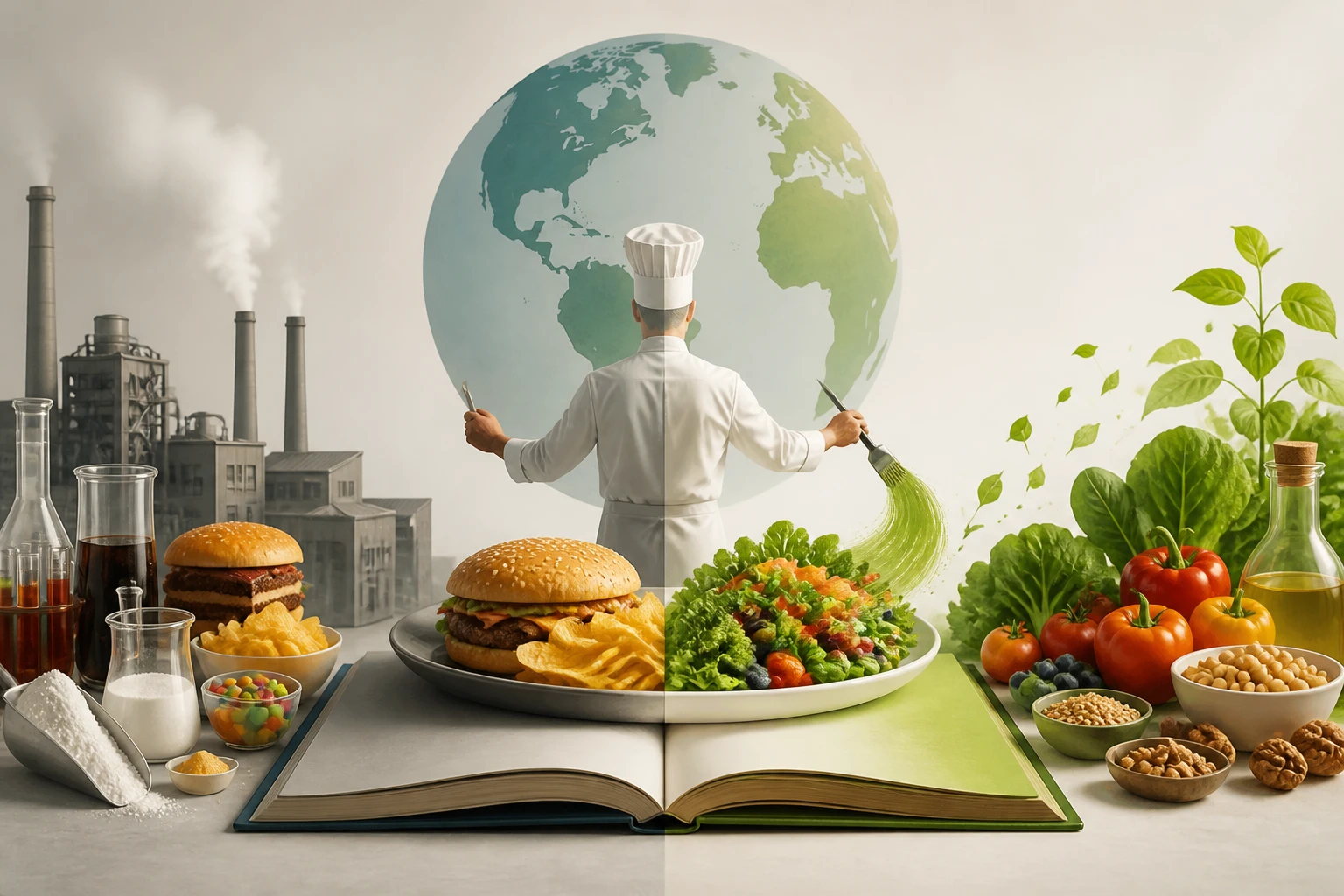
That familiar bright red on a Nestlé candy, the vivid yellow in a packaged drink — chances are, it came from a petroleum-derived synthetic dye. Now, the world's largest food company has decided that's no longer good enough.
Nestlé plans to remove artificial food colourings from all its products worldwide by the end of 2026, making it the first major food company to take such a step. It's a deceptively quiet announcement with loud implications for an entire industry.
The Ingredient Nobody Was Supposed to Notice
Artificial dyes do exactly one thing: they make food look more appealing. The artificial colours used in food are designed for the unique purpose of boosting sales, and they are devoid of any nutritional benefit. They don't improve flavour, extend shelf life, or add nutrients. Many of the most commonly used food colours are synthetic petroleum-derived chemicals that do not occur in nature, and these dyes often substitute for real, nutritious ingredients such as fruits and vegetables — used primarily to make processed foods more attractive, especially those marketed to children.
For decades, that trade-off was invisible to most consumers. It no longer is.
What the Science Is Saying
The health picture around artificial dyes is contested, but the direction of research is clear. The two primary health concerns surrounding artificial food dyes are hyperactivity and neurobehavioral issues in children, and cancer risk. There is strong evidence from multiple studies linking their effects on children's mood and behaviour, especially with hyperactivity in some children.
The regulatory response has followed. In January 2025, the FDA announced the revocation of authorisation for the use of Red No. 3 in food and ingested drugs, as it had previously been shown to cause cancer in animal studies. More broadly, the FDA and US Health Secretary Robert F. Kennedy Jr. signalled their intention to eliminate artificial food colourings from the food supply, citing possible associations with ADHD, obesity, and diabetes — though many scientists say more research is needed.
This Wasn't Easy, and That's the Point
Nestlé's move didn't happen overnight. Stefan Palzer, Nestlé's chief technology officer, described the decision as "not a slam-dunk," noting that the company had to screen all natural solutions, test them during production, and then also test their shelf-life. The global commitment extends Nestlé's earlier efforts in the United States, where it had already eliminated artificial colourings from its portfolio.
The business logic is clear. Food companies face mounting pressure to offer healthier products amid the rapid rise of GLP-1 weight-loss drugs and growing consumer scrutiny of food ingredients. Gatorade, owned by PepsiCo, has also been working to remove artificial colours from its product line, with plans to transition its top ready-to-drink flavours to colours derived from fruits and vegetables.
Clean Labels Are the New Premium
Nestlé's global commitment places it at the forefront of the clean-label movement and increases pressure on rivals to make similar commitments. For Indian consumers, this matters directly — many global packaged food brands sold here operate under the same formulations. As ingredient literacy grows, the question for every food giant is no longer whether to clean up their labels, but how fast they can afford to.
The brightest thing on your food label, it turns out, may now be the transparency.
Sources
- Nestle to remove artificial food colourings from all products by end-2026 | Company News - Business Standard
- Synthetic Colors in Food: A Warning for Children’s Health
- Synthetic food dyes: A rainbow of risks
- Are food dyes unhealthy?
- Are Artificial Food Colors Safe for Children? - HealthyChildren.org
- Nutrition Fact Check: Food Dyes
- Exclusive-Nestle to cut artificial colourings from all products by end-2026 - AOL
- Nestlé to remove artificial colors from all products by 2026
- Nestlé to remove artificial colours from global portfolio by end of 2026