

Overview
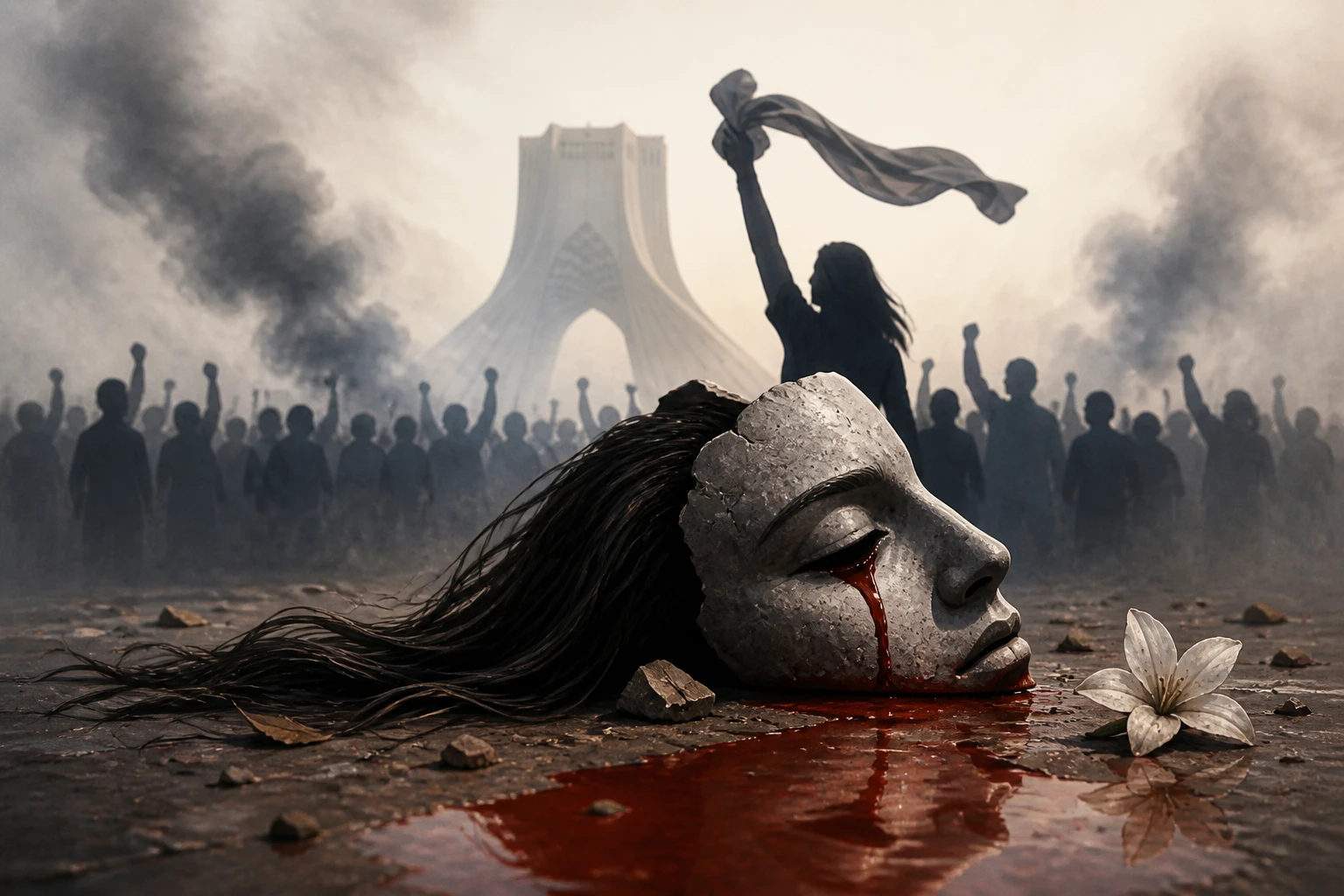
Iran is experiencing its deadliest civil unrest since the 1979 Islamic Revolution, with over 2,500 people killed in anti-government protests that erupted in late December. The demonstrations, initially sparked by economic grievances, have evolved into a nationwide movement challenging the Islamic Republic's authority. With more than 18,000 arrests and mounting international pressure, the crisis has drawn global attention to Iran's internal stability. Republican Senator Lindsey Graham has even called for US military intervention to support protesters, highlighting how domestic Iranian unrest is becoming a significant geopolitical flashpoint with far-reaching implications for regional stability and international relations.
Here's What's Happening
The current wave of protests began in late December over economic hardships, including rising fuel prices and widespread unemployment. However, they quickly transformed into broader anti-regime demonstrations across multiple Iranian cities. The government's response has been swift and brutal - security forces have killed at least 2,500 protesters according to international human rights organizations, making this the deadliest crackdown since the establishment of the Islamic Republic.
The scale of arrests is staggering, with over 18,000 people detained. Internet shutdowns have become routine, with authorities cutting access to prevent protesters from organizing and sharing information with the outside world. Videos smuggled out show security forces using live ammunition against demonstrators, including tear gas and water cannons in residential areas.
Let's Break This Down
To understand the magnitude of this crisis, consider that the 2,500 death toll already exceeds the casualties from Iran's 2009 Green Movement protests, which resulted in fewer than 100 deaths over several months. This isn't just about numbers - it represents a fundamental shift in how the Iranian regime responds to dissent.
Think of Iran's economy like a pressure cooker that's been building steam for years. US sanctions have devastated the Iranian economy, with inflation reaching over 40% and the national currency losing more than 80% of its value since 2018. Youth unemployment hovers around 25%, creating a generation with little hope for economic improvement.
The protests reveal deep generational divides. While older Iranians remember the chaos following the 1979 revolution and may prefer stability, younger Iranians - who make up 60% of Iran's population - have known only economic hardship and social restrictions under the current system. They're using social media platforms like Instagram and Telegram to coordinate protests, despite government attempts to block access.
International responses vary significantly. European Union members have imposed sanctions on Iranian security officials, while countries like Russia and China have remained largely silent, viewing this as Iran's internal affair. The US response has been particularly hawkish, with Senator Graham's call for military action representing the most aggressive stance yet.
The Bigger Picture
This crisis extends far beyond Iran's borders. For India, which imports significant oil from Iran and has invested in projects like the Chabahar Port, continued instability could disrupt energy security and regional connectivity projects. Indian companies with Iranian partnerships face uncertainty about future business relationships.
The protests also highlight the broader challenge facing authoritarian regimes in the digital age. Unlike 1979, when information flow was controlled by traditional media, today's protesters can instantly share videos and coordinate actions through encrypted messaging apps, making government censorship far more difficult.
From the regime's perspective, allowing protests to succeed could encourage similar movements across the region, potentially destabilizing allied governments in Syria and Lebanon. This explains the disproportionate response - the government views these demonstrations as an existential threat rather than legitimate political expression.
What's Next?
The international community faces a delicate balancing act. While supporting human rights and democratic aspirations, military intervention could worsen regional instability and harm the very people it aims to help. Economic sanctions, while pressuring the regime, also impact ordinary Iranians already suffering from economic hardship.
For young professionals watching from India, this crisis demonstrates how economic mismanagement and authoritarian governance can quickly spiral into widespread social unrest. Iran's situation serves as a case study in how demographic pressures, economic sanctions, and social media can combine to challenge even seemingly stable authoritarian systems. The outcome will likely influence protest movements and government responses across the region for years to come.